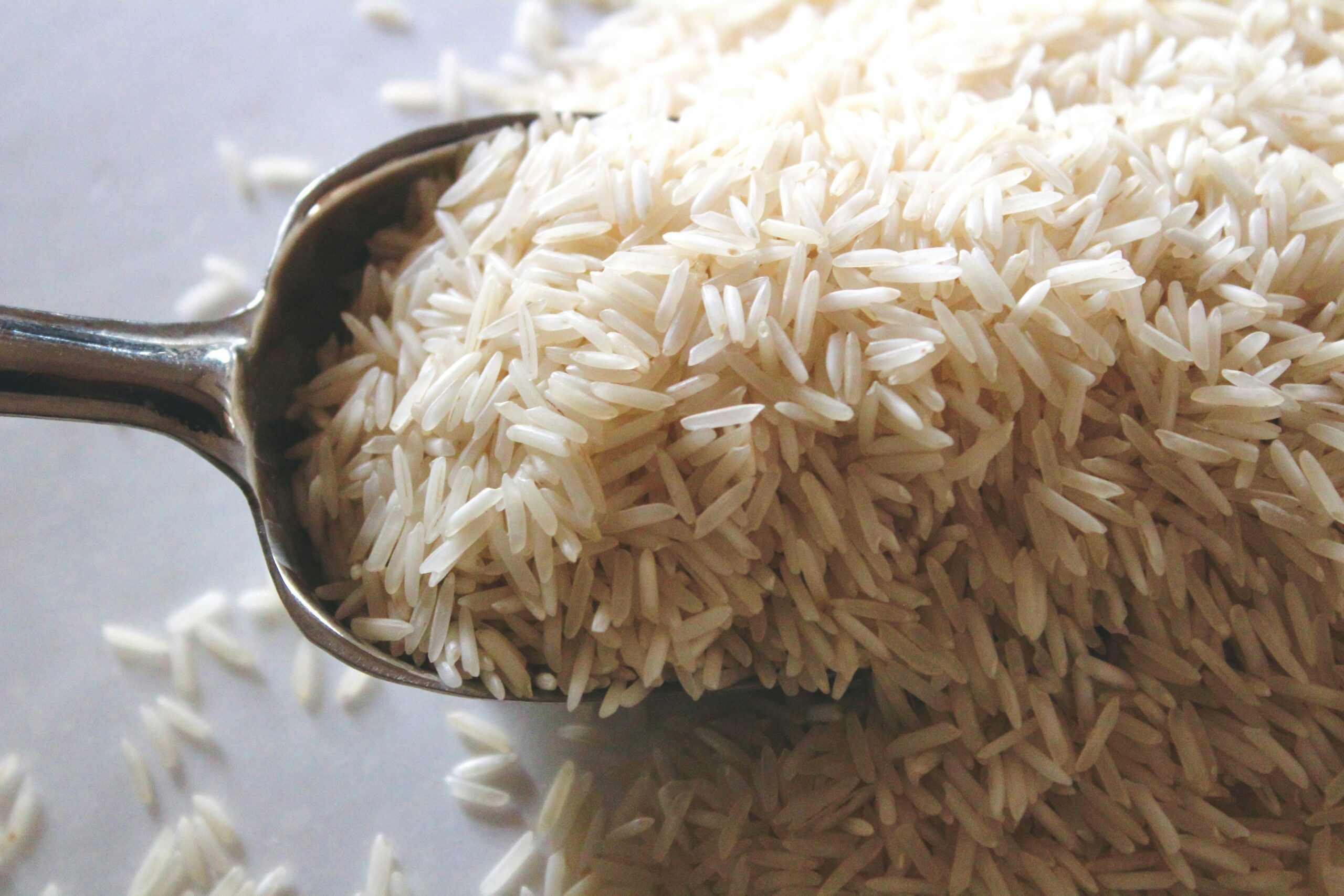
You scoop a bowl of rice without thinking. It’s just rice, simple, neutral, harmless, right?
Then the question hits mid-bite: how many calories in rice, actually?
It turns out, the answer isn’t one number. It depends on the type, the portion, and, yes, how you cook it. Let’s break it down without turning your dinner into a math problem.
The Short Answer (If You Just Want Numbers)
Here’s a quick look at average calories per 1 cup of cooked rice:
- White rice: ~200–205 calories
- Brown rice: ~215–220 calories
- Jasmine rice: ~205 calories
- Basmati rice: ~190–200 calories
Not wildly different. That’s the first surprise.
So if you’re obsessing over switching rice types purely for calories… it’s probably not where the real impact lies.
Why the Numbers Are So Close
Rice is mostly carbohydrates. Whether it’s white or brown, the calorie content stays fairly similar because:
- Both contain about 45 grams of carbs per cup
- Protein and fat levels are low
- Water content after cooking is nearly the same
According to the U.S. Department of Agriculture, the main nutritional differences between rice types come from fiber and micronutrients, not calories.
So yes, brown rice is often called “healthier,” but not because it’s lower in calories.
White vs Brown Rice: What Actually Changes
Let’s settle this quickly.
White Rice
- Lower in fiber
- Softer texture
- Easier to digest
Brown Rice
- Higher in fiber
- Contains more vitamins and minerals
- Keeps you full longer
The calorie difference? Minimal.
The satiety difference? That’s where brown rice wins.
If your goal is feeling full on fewer total calories throughout the day, that fiber matters.
Portion Size: The Real Game-Changer
Here’s where things get real.
Most people don’t eat “1 cup” of rice. They eat:
- 1.5 cups
- 2 cups
- Sometimes more (especially in rice-heavy meals)
That turns:
- 200 calories → 400+ calories fast
So when asking how many calories in rice, the better question is:
How much rice is actually on my plate?
A quick visual:
- 1 cup = about the size of a clenched fist
If your portion looks bigger than that… it probably is.
Cooking Method Matters More Than You Think
Plain rice is one thing. Real-life rice? Different story.
Calories increase depending on what you add:
- Oil or butter → +100–200 calories easily
- Coconut milk → significantly higher fat and calories
- Fried rice → often doubles the calorie count
That innocent bowl can go from 200 calories to 500+ without much effort.
The Harvard T.H. Chan School of Public Health highlights that preparation methods play a major role in the overall health impact of foods, not just the base ingredient.
Is Rice “Fattening”? Let’s Be Honest
Rice gets blamed a lot. Usually unfairly.
On its own, rice is:
- Low in fat
- Easy to digest
- A staple food for billions of people
Weight gain doesn’t come from rice alone, it comes from total calorie intake over time.
You can gain weight eating too much rice.
You can also maintain or lose weight while eating it regularly.
It’s not the villain. It’s the portion (and what you pair it with).
A Smarter Way to Eat Rice
If you want to enjoy rice without overdoing calories:
- Stick to ~1 cup per serving
- Pair it with protein (chicken, tofu, fish)
- Add vegetables to increase volume without many calories
- Be mindful of added fats and sauces
Simple adjustments. Big difference.
Final Thought: It’s Not About Avoiding Rice
The question “how many calories in rice” sounds simple, but it points to something bigger.
It’s not about cutting rice out.
It’s about understanding it.
Rice can absolutely fit into a healthy diet. The key is balance, not elimination.
So go ahead, eat the rice. Just know what’s in the bowl.
*This article is for informational purposes only and should not be taken as official legal advice*