It starts strong.
You leave the house with flawless skin, blended eyeshadow, lipstick exactly where it should be. Two hours later? Shine creeping in. Mascara smudging. Foundation… disappearing.
So the real question isn’t how to create beautiful make up looks. It’s how to make them last.
Let’s fix that.
Longevity Starts Before Makeup Even Touches Your Face
This is the part people rush, and regret later.
Long-lasting make up looks are built on prep:
- Clean skin (not just rinsed, actually cleansed)
- Lightweight moisturizer (too heavy = makeup slides)
- Sunscreen if you’re going out
Give it a minute to absorb. Seriously. That 60-second pause can make the difference between smooth application and patchy chaos.
Primer: Necessary or Overhyped? (A Bit of Both)
A good primer acts like a grip between your skin and your makeup.
Depending on your skin type:
- Oily skin → mattifying primer
- Dry skin → hydrating primer
- Uneven texture → smoothing primer
Brands like Il Makiage have built entire product lines around this step, and for good reason. Primer won’t fix everything, but it does give your makeup a fighting chance.
Foundation: Thin Layers Win Every Time
Heavy foundation feels like coverage, but it behaves like a liability.
For long-lasting make up looks:
- Apply thin layers
- Build coverage only where needed
- Blend thoroughly (edges matter more than you think)
Thick layers break down faster. Thin layers wear better.
It’s less satisfying in the moment, but far better six hours later.
Concealer Strategy: Precision Over Excess
Concealer isn’t meant to go everywhere.
Use it:
- Under eyes (lightly)
- On specific spots
- Around redness if needed
Then blend carefully.
Too much concealer creases. Too little? You can always add more.
Balance is the goal.
Set It, But Don’t Overdo It
Powder is where many long-lasting make up looks go wrong.
Yes, you need it. No, you don’t need to bake your entire face.
Focus on:
- T-zone (forehead, nose, chin)
- Under eyes (light layer)
The American Academy of Dermatology emphasizes that over-layering products can clog pores and disrupt skin balance, another reason to keep things controlled.
Too much powder = cakey by midday.
Eyes That Don’t Melt Away
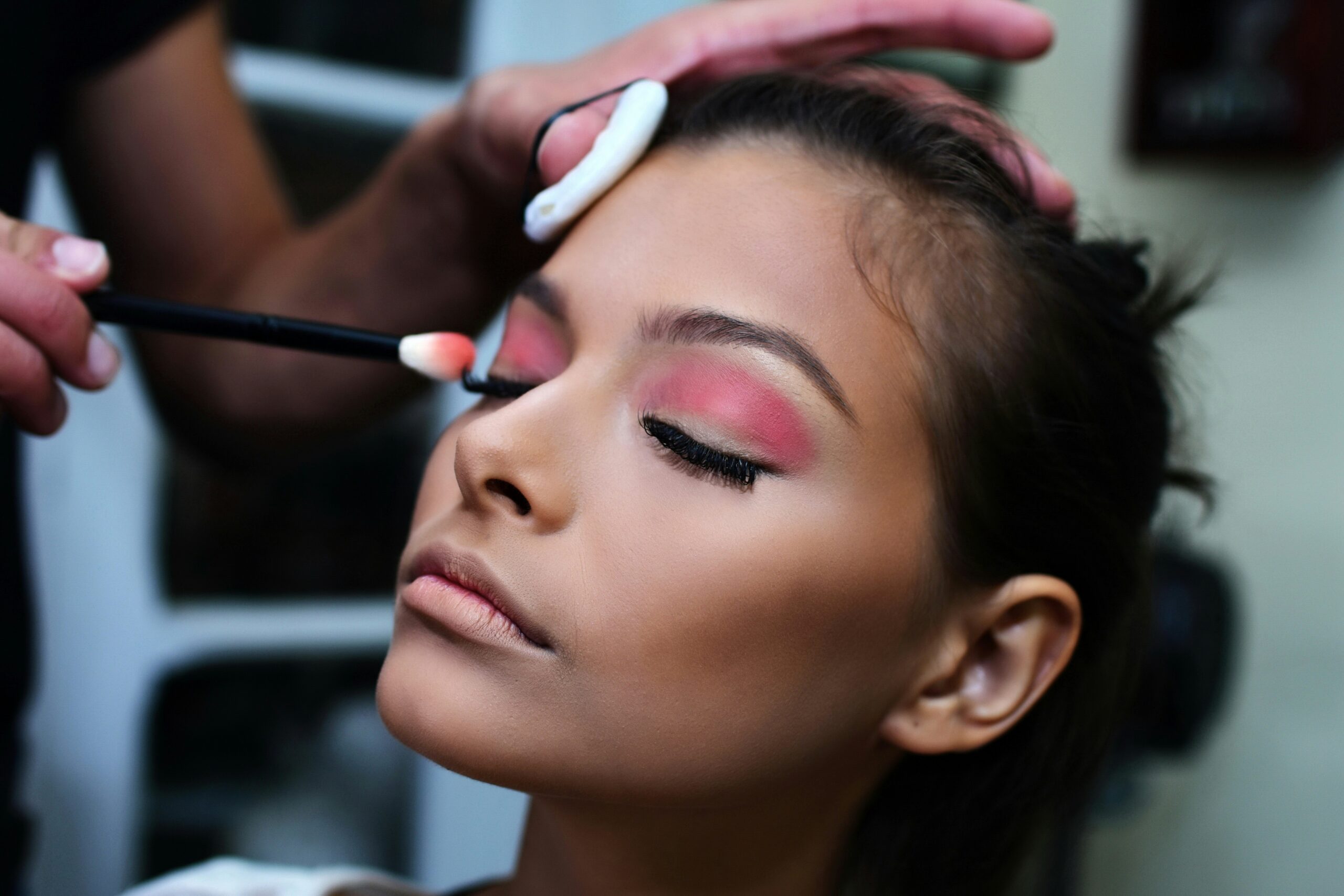
Eye makeup is usually the first to fade.
To lock it in:
- Use an eyeshadow primer
- Choose long-wear or waterproof formulas
- Layer cream + powder shadows for extra hold
Mascara tip? Waterproof if you need all-day wear, but maybe not every day unless you enjoy removing it.
Blush and Bronzer: Layer for Staying Power
Powder alone fades faster than you think.
Try this:
- Apply cream blush or bronzer
- Set lightly with powder version
This layering technique helps color stay visible longer, especially in heat or humidity.
Lipstick That Survives Coffee (and Life)
Lip products are high maintenance. No way around it.
For longer-lasting make up looks:
- Start with a lip liner
- Apply lipstick
- Blot lightly
- Reapply a second layer
Matte formulas last longer, but can feel drying. It’s always a trade-off.
Setting Spray: The Final Lock
If you skip this, you’re leaving durability on the table.
A good setting spray:
- Melds layers together
- Reduces powdery finish
- Adds extra staying power
Think of it as sealing the deal.
Midday Survival Tips (Because Life Happens)
Even the best make up looks need maintenance.
Keep it simple:
- Blot oil instead of adding more powder
- Reapply lipstick, not everything else
- Avoid touching your face (easier said than done)
You’re maintaining, not rebuilding.
The Real Secret: Less Is More (Usually)
Here’s the slightly unpopular truth:
The longer you want your makeup to last, the lighter your layers should be.
More product doesn’t equal more durability.
It often equals more breakdown.
Final Thought: Makeup That Works With You
Long-lasting make up looks aren’t about perfection, they’re about strategy.
Prep well. Layer smart. Set intentionally.
And accept this: no makeup lasts forever.
But with the right approach?
It can last long enough that you stop worrying about it, and just get on with your day.
*This article is for informational purposes only and should not be taken as official legal advice*