You’ve probably Googled it late at night, how to lose 30 pounds in a month, somewhere between motivation and mild panic. Maybe there’s a deadline: a wedding, a reunion, or just a personal line in the sand. The promise sounds simple. The reality? Less so.
Let’s get one thing out of the way: losing 30 pounds in 30 days is extreme. For most people, it’s not medically recommended. But that doesn’t mean you’re stuck. It means the goal needs reframing, from crash-and-burn to fast-but-sustainable.
Here’s what a realistic, aggressive (but safer) plan actually looks like.
First, The Math No One Likes
One pound of fat equals roughly 3,500 calories. To lose 30 pounds, you’d need a deficit of about 105,000 calories in a month. That’s over 3,000 calories per day, an unrealistic and unsafe target for most people.
According to the CDC, a safe rate of weight loss is about 1–2 pounds per week. Even doubling that under supervision puts you at 8–16 pounds in a month, still impressive, and far more sustainable.
So instead of chasing 30, aim for rapid but controlled fat loss plus water weight reduction.
Phase 1: Cut Hard, But Smart
If you’re serious about how to lose 30 pounds in a month, your diet has to do the heavy lifting.
Start with:
- High protein intake (lean meats, eggs, tofu)
- Very low refined carbs (cut sugar, white bread, soda)
- Moderate healthy fats (avocado, olive oil)
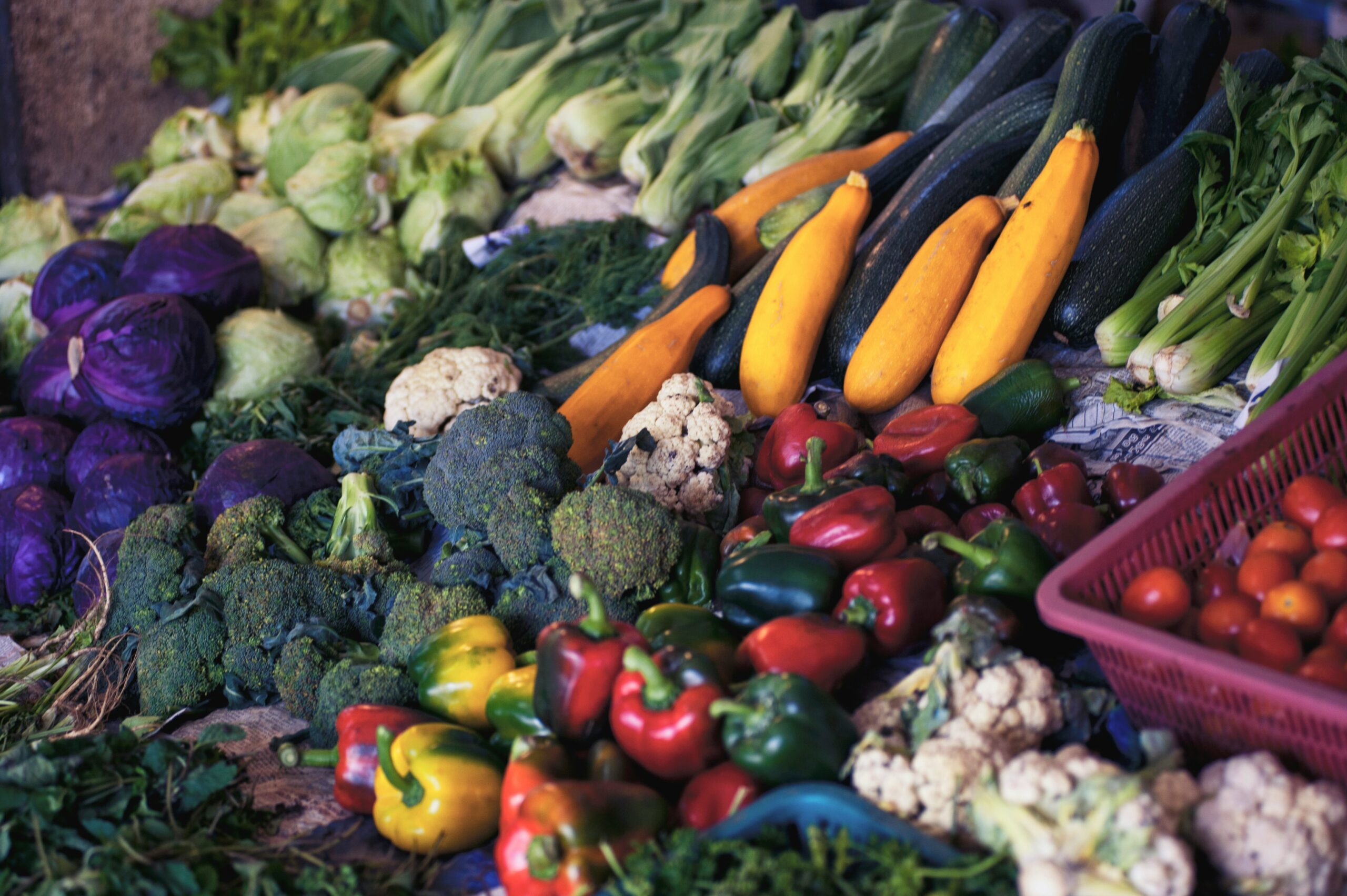
- Lots of vegetables for volume and nutrients
Why? Protein preserves muscle while dieting, and cutting carbs reduces water retention quickly. That “instant drop” in the first week? Mostly water, but it counts psychologically.
A helpful framework is reducing daily intake to 1,200–1,800 calories, depending on your size and activity level.
For a science-backed breakdown of calorie balance, see the NIH guide.
Phase 2: Move More Than You Think You Need To
Here’s where most plans fall apart, they underestimate activity.
If your goal is aggressive weight loss:
- Daily cardio (45–90 minutes): brisk walking, cycling, or incline treadmill
- Strength training (3–4x/week): full-body workouts to maintain muscle
- Increase daily movement: steps matter more than you think (aim for 10,000–15,000)
Short version: your body needs a reason to burn more energy. Sitting all day won’t cut it, even with a perfect diet.
Phase 3: Control Water Weight (Without Doing Anything Extreme)
Want to look leaner fast? Focus on reducing bloating and excess water.
- Lower sodium intake (avoid processed foods)
- Drink more water (counterintuitive, but effective)
- Eat potassium-rich foods (spinach, bananas)
This can lead to a 5–10 pound drop in the first week, again, mostly water, but motivating.
The Mental Game (Underrated, But Critical)
Trying to figure out how to lose 30 pounds in a month isn’t just physical, it’s psychological.
You’ll feel:
- Hungry (sometimes very)
- Tired (especially week 1–2)
- Tempted to quit
That’s normal. The key is structure:
- Plan meals ahead
- Remove trigger foods from your environment
- Track progress daily (weight, steps, workouts)
Consistency beats intensity. Every time.
What You Can Realistically Expect
Let’s be honest.
In one month, you might:
- Lose 10–20 pounds total (fat + water)
- See visible changes in your face and waist
- Build habits that carry into month two
Could someone lose 30 pounds? Possibly, but often through extreme methods that aren’t sustainable (or safe).
Final Thought: Speed vs. Staying Power
The desire to lose weight quickly isn’t the problem. The strategy usually is.
If you approach how to lose 30 pounds in a month as a crash mission, you’ll likely rebound. But if you treat it as a kickstart month, a focused, disciplined reset, you can make serious progress without wrecking your health.
And ironically, that’s how people actually lose 30 pounds… just not all in one month.
*This article is for informational purposes only and should not be taken as official legal advice*