
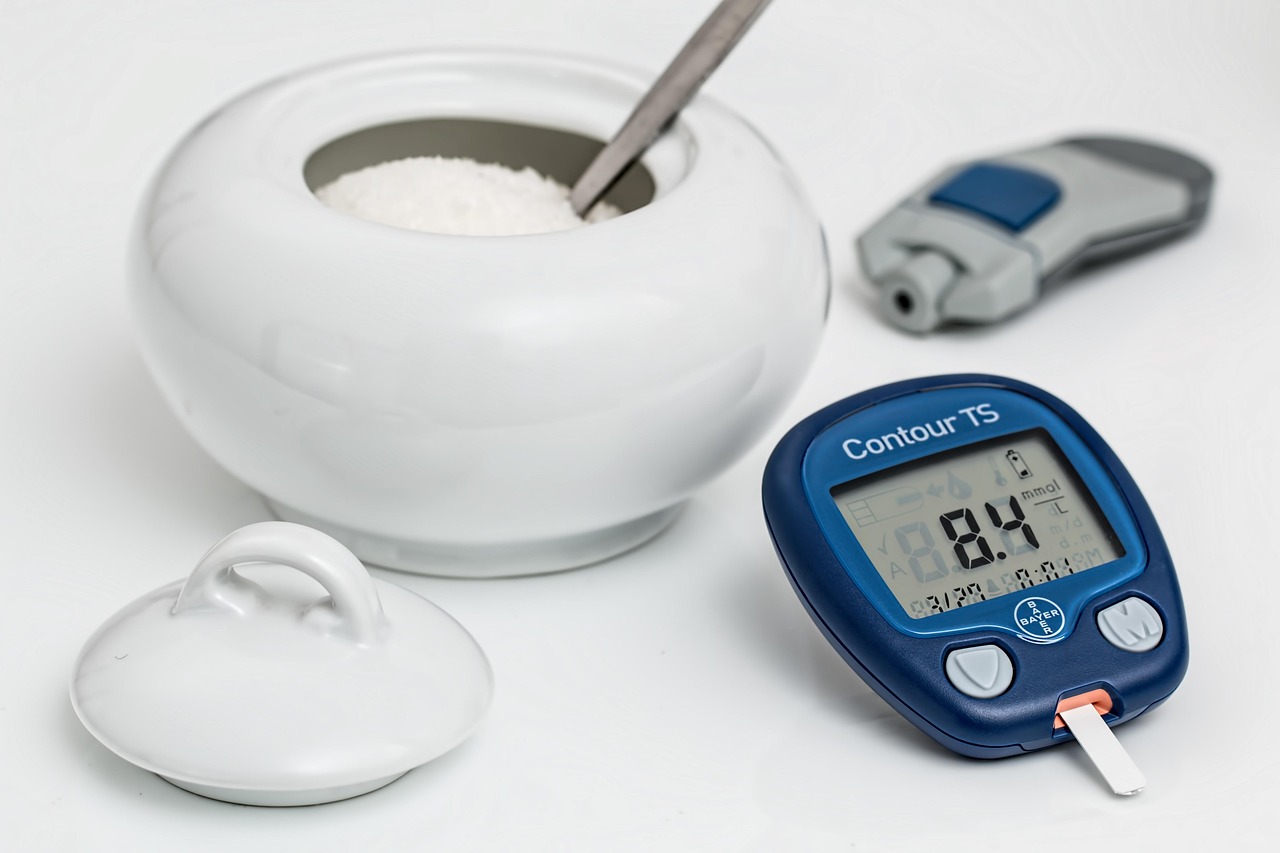
You drink it in under five minutes. Thick, syrupy, aggressively sweet. Then you wait, scrolling your phone, overthinking everything, while your body does something quietly important in the background.
An hour later, a single number shows up. And suddenly you’re asking: Is this normal?
Welcome to the confusion around the 1 hour glucose tolerance test – pregnancy normal range, a quick screening that somehow manages to feel like a final exam.
Let’s make sense of it.
What the 1-Hour Test Actually Measures
The 1-hour glucose test, often called the glucose challenge test, is a screening, not a diagnosis.
It’s designed to flag potential issues early, especially gestational diabetes.
Here’s how it works:
- No fasting required
- You drink a glucose solution (usually 50 grams of sugar)
- Blood is drawn exactly one hour later
That’s it. One data point. Quick, efficient, and a little misleading if you don’t know how to read it.
So… What’s a “Normal” Result?
This is where things get slightly tricky.
The standard 1 hour glucose tolerance test – pregnancy normal range typically falls below:
- 130–140 mg/dL (depending on your provider)
Many clinics use 140 mg/dL as the cutoff, while others go with 130 mg/dL for a more cautious approach.
These thresholds are widely guided by organizations like the American College of Obstetricians and Gynecologists.
Bottom line:
- Below the cutoff → considered normal
- Above the cutoff → you’ll likely be asked to take the longer 3-hour test
Not a diagnosis. Just a next step.
Why One Number Doesn’t Tell the Whole Story
Here’s the part that trips people up:
You can “fail” the 1-hour test and still have perfectly normal glucose regulation.
In fact, a significant number of people who test above the threshold go on to pass the follow-up test without issues.
Why?
Because this screening is designed to be sensitive, not precise. It casts a wide net on purpose.
According to the Centers for Disease Control and Prevention, early detection helps reduce risks during pregnancy, but it also means some false alarms along the way.
So yes, that slightly high number? It’s not the verdict your brain thinks it is.
What Can Affect Your Results? (More Than You Think)
That one-hour reading isn’t happening in a vacuum.
Several factors can nudge your number up or down:
- What you ate earlier in the day
- Stress levels (hello, medical anxiety)
- Sleep quality the night before
- Your body’s natural insulin sensitivity during pregnancy
Which explains why two people can take the same test and get very different results.
And why doctors don’t rely on this test alone.
Common Scenarios (And What They Mean)
Under 130–140 mg/dL
You’re in the clear. No further testing needed.
Slightly Above (140–160 mg/dL)
This is the gray zone. You’ll likely be asked to take the 3-hour glucose tolerance test.
Annoying? Yes. Concerning? Not necessarily.
Significantly Elevated (170+ mg/dL)
Your provider may move more quickly to follow-up testing or monitoring.
Still, not a confirmed diagnosis.
The Follow-Up Test: Why It Exists
If your result falls outside the normal 1 hour glucose tolerance test – pregnancy normal range, the next step is usually the 3-hour test.
It’s longer, more detailed, and, let’s be honest, a bit of a commitment.
But it gives a full picture of how your body handles glucose over time, not just one snapshot.
Think of the 1-hour test as the trailer. The 3-hour test is the full movie.
What to Do After Your Results
If your number is normal:
Take the win. Move on. Hydrate, eat something balanced, and don’t overthink it.
If it’s elevated:
- Schedule the follow-up test
- Avoid self-diagnosing via search spirals
- Focus on what comes next, not what might be wrong
Because again, this is a screening, not a conclusion.
Final Thought: It’s a Checkpoint, Not a Judgment
The 1 hour glucose tolerance test – pregnancy normal range isn’t about passing or failing. It’s about catching potential issues early, before they become bigger problems.
And yes, the process can feel a little intense for something that lasts just an hour.
But that one number? It’s not labeling you. It’s guiding your care.
Which, in the long run, is exactly what you want.
*This article is for informational purposes only and should not be taken as official legal advice*