
Amble health sounds like a wellness app you download on a whim, something between a step counter and a meditation timer. Then you realize it’s prescribing weight-loss medication, shipping it to your door, and replacing your doctor’s waiting room with a dashboard.
That’s… not your average wellness app.
So how does Amble health actually stack up against the Calm-and-MyFitnessPal crowd? Let’s break it down.
First, What Is Amble Health Really?
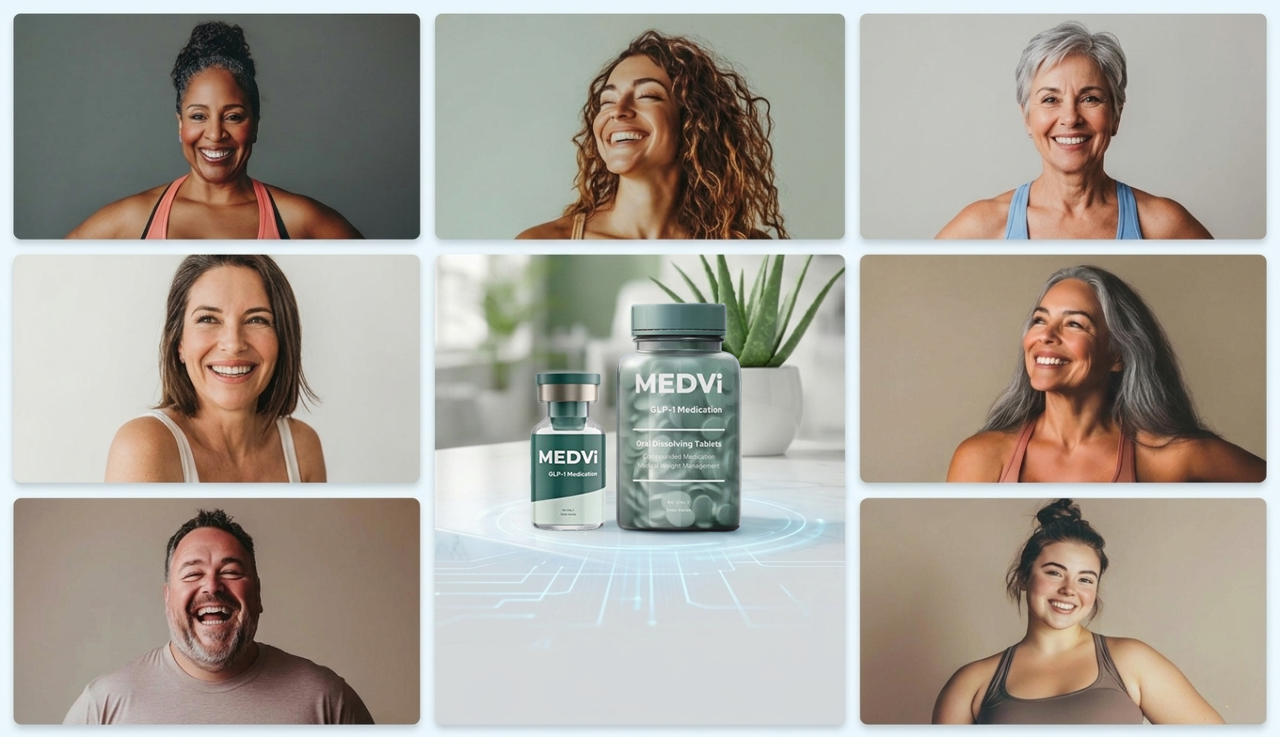
At its core, Amble health isn’t just a wellness tracker, it’s a telehealth platform focused on medical weight loss using GLP-1 medications like semaglutide.
Inside the app (yes, it does have one), users can:
- Track medications and symptoms
- Consult with licensed providers
- Manage prescriptions and deliveries
- Monitor progress over time
This puts it in a completely different category than traditional wellness apps. It’s closer to a digital clinic than a digital habit tracker.
Meanwhile… Other Wellness Apps Are Playing a Different Game
Most wellness apps fall into three buckets:
1. Fitness & tracking apps
Think calorie counters, step trackers, workout plans.
2. Mental health apps
Meditation, sleep sounds, stress reduction.
3. Lifestyle coaching apps
Habit-building, journaling, basic health insights.
They help you build discipline. They don’t prescribe medication.
That distinction matters.
Feature Showdown: Medical vs Motivational
Let’s get blunt, this is where Amble health pulls ahead (or falls short, depending on what you want).
Amble Health
- Prescription-based weight loss treatment
- Real doctors involved
- Medication delivery included
- Structured health program
Typical Wellness Apps
- Self-guided routines
- No clinical oversight
- Behavior-focused (diet, exercise, mindfulness)
- Usually cheaper, or free
Translation:
Amble is intervention.
Other apps are encouragement.
The Experience: Seamless or Frustrating? Depends Who You Ask
Here’s where things get interesting, and a little messy.
On one hand, users praise the simplicity:
- Easy onboarding
- Clean interface
- Fast access to care
- Positive weight loss results
On the other hand… not everyone’s impressed.
Common complaints include:
- No phone support (email/text only)
- Shipping delays for medication
- Billing confusion or unexpected charges
That contrast tells you something important:
Amble works best when everything goes right.
When it doesn’t? Support can feel thin.
Cost Comparison: Cheap App vs Medical Commitment
Most wellness apps:
- $0–$20/month
- Optional premium tiers
Amble health:
- Around $199–$225/month
- Includes medication, consultation, supplies
So yes, it’s more expensive. But also… not really comparable.
You’re not paying for guided breathing exercises.
You’re paying for a medical program.
Results: Habits vs Hormones
Let’s be honest for a second.
Most wellness apps rely on you showing up consistently:
- Logging meals
- Exercising
- Meditating
And if you stop? Results stop.
Amble health flips that dynamic.
GLP-1 medications:
- Reduce appetite
- Improve satiety
- Support significant weight loss
Some users report losing 15% of body weight on average.
That’s not incremental, that’s clinical.
But it also comes with:
- Side effects
- Long-term dependency questions
- Less emphasis on lifestyle habits
Trust & Safety: Where the Gap Widens
Here’s the uncomfortable part.
Wellness apps:
- Low risk
- No prescriptions
- Minimal regulation concerns
Amble health:
- Uses licensed providers
- Works with compounding pharmacies
- Holds certifications like LegitScript
But:
- Compounded medications aren’t FDA-approved
- Some users report quality or delivery issues
That doesn’t make it unsafe, but it does mean you need to be more informed than you would with a typical app.
So… Which One Should You Choose?
It comes down to intent.
Choose Amble health if:
- You want medically supervised weight loss
- You’ve struggled with traditional dieting
- You’re okay with higher costs and some risk trade-offs
Choose traditional wellness apps if:
- You prefer gradual, habit-based change
- You want low-cost, low-risk tools
- You value flexibility over structure
Final Thought: Not a Fair Fight, And That’s the Point
Comparing Amble health to other wellness apps is like comparing a personal trainer to a prescription.
They solve different problems.
One builds discipline.
The other changes biology.
The smartest approach?
For many people, it’s not either/or, it’s both.
Use the app that nudges you to walk more…
and the platform that helps you finally see the scale move.
Just make sure you know which game you’re playing.
*This article is for informational purposes only and should not be taken as official legal advice*