
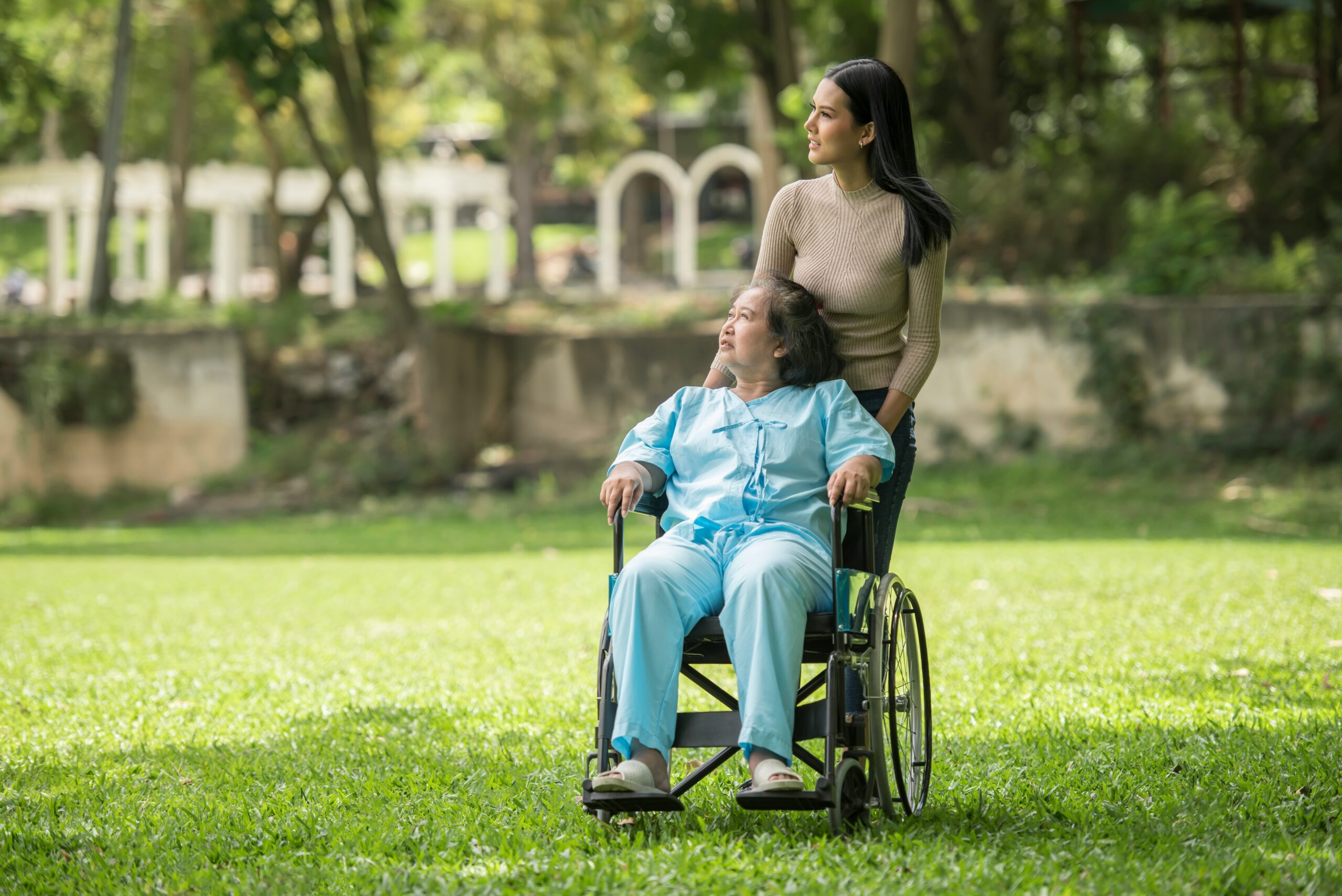
It’s 2 a.m. You’re Googling again.
“Why did Mom leave the stove on?”
“Is forgetting meds normal?”
“Am I overreacting… or already late?”
Somewhere between concern and guilt, you land on the same fork in the road everyone eventually faces: assisted living vs nursing home. Two options. Both heavy. Neither explained in plain English.
Let’s fix that.
The Big Divide (Hint: It’s About Care, Not Comfort)
Here’s the cleanest way to think about it:
- Assisted living supports daily life
- Nursing homes manage medical needs
Simple. But not small.
Assisted living is for seniors who are still mostly independent—just slower, maybe a little forgetful, maybe needing help with bathing or medications. Nursing homes? That’s a different chapter. We’re talking round-the-clock medical care, supervision, and clinical support.
If you’re deciding between assisted living vs nursing home, you’re really asking:
Is this about convenience—or safety?
Assisted Living: Freedom (With a Quiet Safety Net)
Picture this: your loved one has their own space. Meals appear without effort. Laundry gets done (finally). There’s a calendar of activities they may or may not attend—but the option matters.
It doesn’t feel like a hospital. It feels… manageable.
That’s the point.
Assisted living communities are built for seniors who need help—but not hovering. Staff assist with daily routines, not medical crises. Think dignity-first care.
According to the National Institute on Aging, assisted living works best for people who:
- Need help with daily tasks
- Want social interaction (or at least the option)
- Don’t require intensive medical supervision
And here’s the subtle win: it often extends independence, rather than taking it away.
Nursing Homes: When Health Calls the Shots
Now shift the tone.
Nursing homes aren’t about lifestyle—they’re about stability.
If your loved one has serious medical conditions, limited mobility, or cognitive decline that creates real safety risks, this is where nursing homes step in. Nurses are available 24/7. Care plans are structured. There’s less guesswork, more monitoring.
Yes, it can feel clinical. A bit sterile. Less “home,” more “facility.”
But here’s the uncomfortable truth: sometimes that’s exactly what’s needed.
The Centers for Medicare & Medicaid Services outlines that nursing homes are designed for individuals who need ongoing medical care and supervision. Not occasionally. Not “just in case.” Consistently.
The Cost Conversation (Because It Always Shows Up)
Let’s not pretend money isn’t part of this.
Assisted living is usually less expensive, but often paid out-of-pocket. Nursing homes cost more—but may be partially covered by Medicaid or Medicare, depending on the situation.
It’s one of those ironic systems where the more intensive (and expensive) care can sometimes be more financially supported.
Frustrating? Yes. Relevant? Absolutely.
Lifestyle vs Safety: The Quiet Tug-of-War
This is where decisions get messy.
You’re not just comparing services—you’re weighing quality of life vs. level of care.
Ask yourself:
- Would they thrive with more independence—or struggle quietly?
- Are you choosing comfort… or avoiding a harder truth?
(That second question stings a little. It should.)
Because sometimes assisted living feels like the “nicer” option—but nursing care is the safer one.
And sometimes, the reverse is true.
Signals You Shouldn’t Ignore
If you’re stuck, look at patterns—not promises.
Assisted living might be enough if:
- They’re mostly mobile
- Memory lapses are mild, not dangerous
- Daily tasks are the main challenge
A nursing home may be necessary if:
- Medical needs are frequent or complex
- Falls or emergencies are increasing
- Cognitive decline creates real risk
Not guesses. Patterns.
The Honest Ending (No Perfect Answer Here)
Choosing between assisted living vs nursing home isn’t a one-time, forever decision. It’s a right-now decision.
And right now might change.
Start where they are. Not where you wish they were. Not where they used to be.
Visit places. Ask blunt questions. Trust your discomfort—it usually points to something important.
And if you’re still unsure at 2 a.m.?
You’re not behind. You’re paying attention.
*This article is for informational purposes only and should not be taken as official legal advice*