
It’s 2:17 a.m.
You’re pacing. Jaw clenched. Googling something that sounds half desperate, half mythical: kill tooth pain nerve in 3 seconds permanently.
Because at this point, logic is optional. Relief is not.
And honestly? If a button existed to turn that pain off instantly, you’d press it without reading the fine print.
But here’s the thing, there is no button.
The Lie We All Want to Believe
“Three seconds.”
“Permanent.”
“At home.”
It’s a perfect promise. Also a fiction.
Those viral tips, clove oil, garlic, alcohol rinses, mystery hacks from comment sections, they can dull the pain temporarily. Emphasis on temporarily.
They do not safely destroy a tooth nerve.
They do not fix the cause.
And sometimes? They make things worse.
Uncomfortable truth: if you could safely kill tooth pain nerve in 3 seconds permanently at home…dentists would be out of business.
Why Tooth Pain Hits Like a Truck
Inside your tooth is a tiny space called the pulp. Sounds harmless. It’s not.
That pulp contains nerves. Blood vessels. Sensitivity dialed to 11.
When it gets irritated, by decay, cracks, or infection, you don’t just feel pain. You feel presence. Constant. Pulsing. Impossible to ignore.
Hot coffee? Pain.
Cold water? Pain.
Existing? Also pain.
Temporary Relief ≠ Actual Fix
Let’s say you try one of those quick remedies.
- Clove oil? Numbs things a bit.
- Cold compress? Takes the edge off.
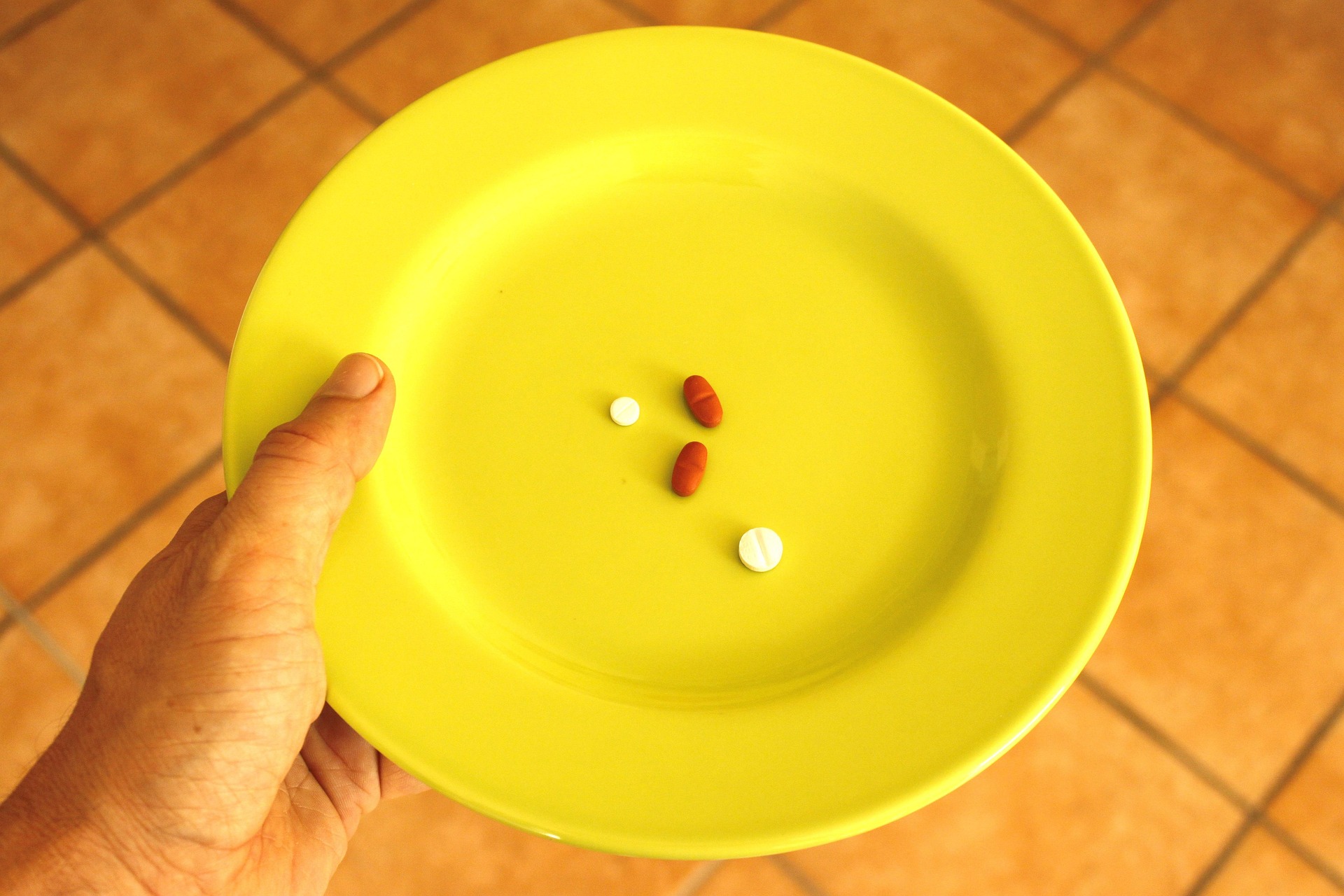
- Painkillers like Ibuprofen? Helps you function like a human again.
Great. Useful. Necessary, even.
But none of these remove the nerve. They just quiet it down, like muting an alarm without fixing the fire.
So What Actually Stops the Pain Permanently?
Here’s where reality steps in.
Root Canal: The Not-So-Scary Solution
Yes, the name sounds intimidating. No, it’s not medieval torture.
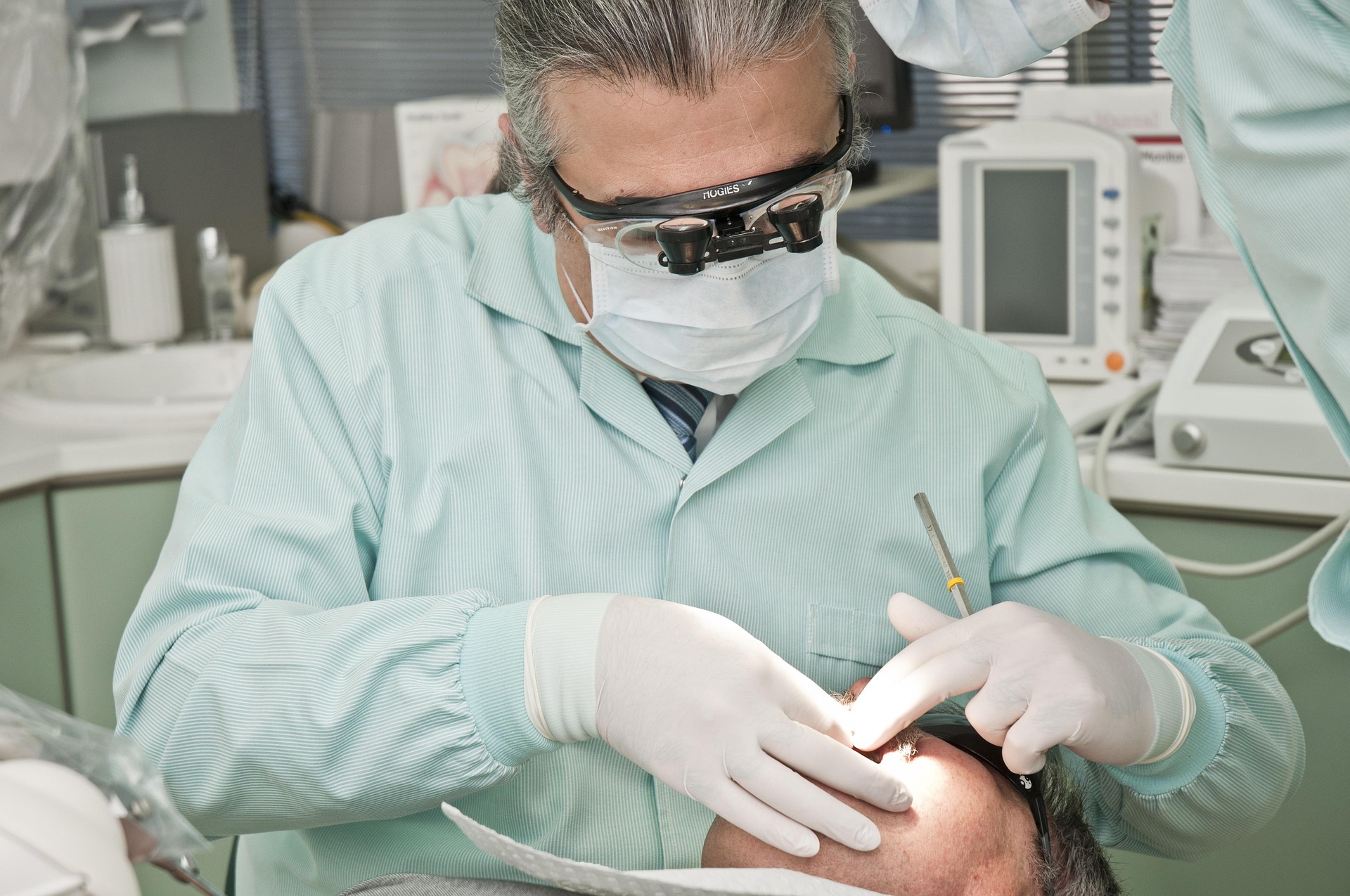
A root canal removes the infected pulp, the actual source of pain, cleans the inside of the tooth, and seals it.
Result?
The nerve is gone. The pain is gone. The tooth stays.
The American Dental Association backs this as a safe, effective treatment.
Not three seconds. But it works.
Extraction: The Last Resort
If the tooth is too far gone, it gets removed.
Not ideal. But very final.
No tooth = no nerve = no pain.
Simple math. Slightly bigger consequences.
The Part No One Wants to Hear
If you’re searching kill tooth pain nerve in 3 seconds permanently, you’re not just looking for relief, you’re trying to avoid something.
Time. Cost. The dentist chair.
Totally fair.
But avoiding treatment doesn’t freeze the problem. It lets it grow.
When Pain Turns Into Something Bigger
Here’s where things shift from annoying to serious.
If you notice:
- Swelling
- Fever
- A bad taste in your mouth
- Difficulty opening your jaw
…it might be an infection.
And infections don’t stay polite.
The Centers for Disease Control and Prevention warns that untreated dental infections can spread beyond the tooth. Not a fun escalation.
Quick Fixes Can Cost You Later
Let’s be blunt.
Trying to “DIY” nerve death can lead to:
- Burned gums (yes, really)
- Worsening infection
- Delayed treatment (which means more pain later)
It’s the classic trade: short-term comfort, long-term regret.
So… Can You Do It in 3 Seconds?
No.
Not safely. Not permanently. And not at home.
But you can get real relief, lasting relief, with the right treatment.
And once it’s done? That relentless, mind-consuming pain disappears in a way that feels almost unreal.
Final Thought: You Don’t Want Fast, You Want Finished
In the middle of the night, speed feels like everything. You’d settle for anything that works right now.
But what you actually want isn’t a 3-second trick.
It’s an ending.
So yes, search for relief. Use what helps in the moment. Get through the night.
Then fix the problem for real.
Because when tooth pain finally stops, for good, it’s not subtle. It’s silence.
*This article is for informational purposes only and should not be taken as official legal advice*