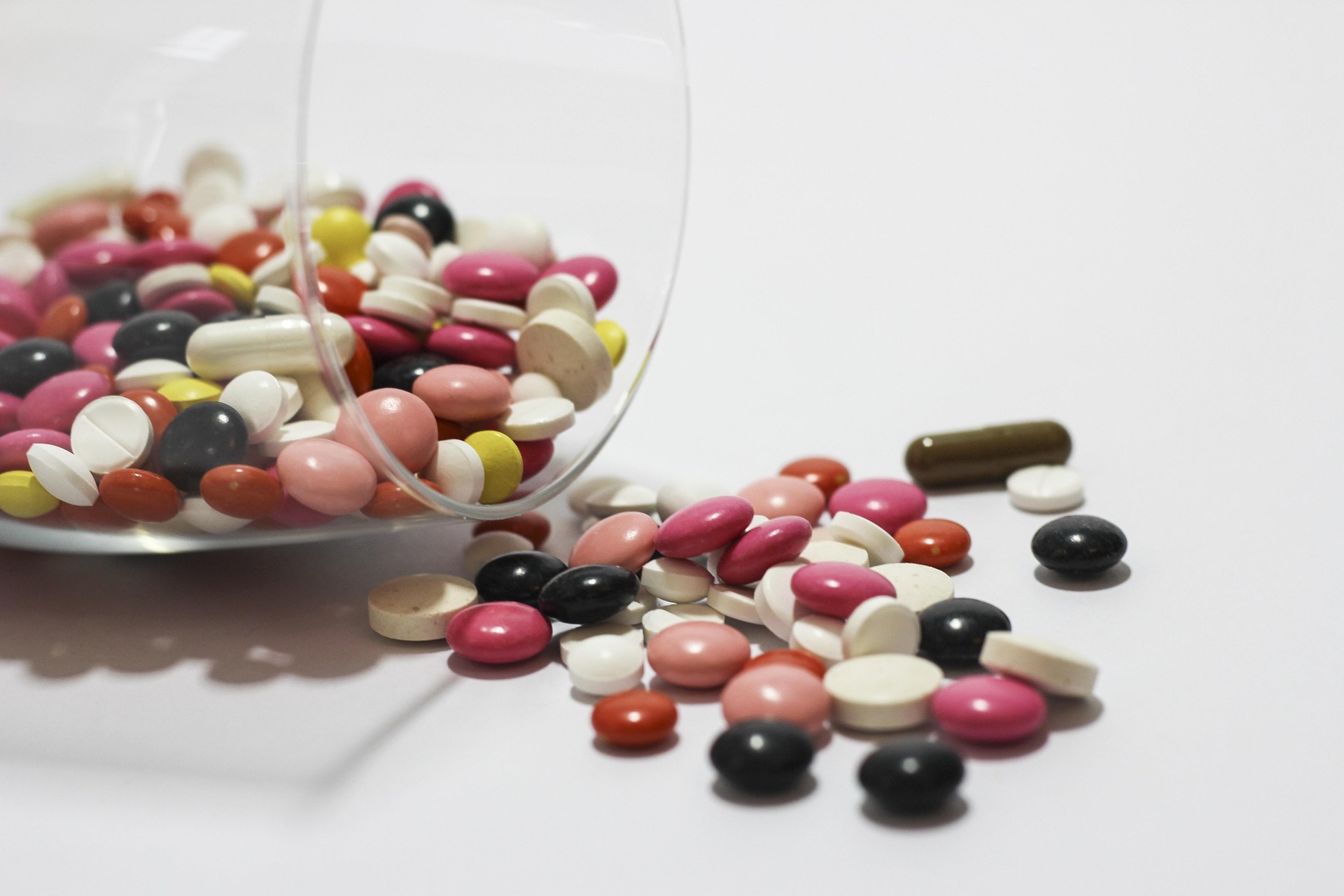

You find a pill. Small. Maybe round, maybe oval. A color that looks familiar, but not familiar enough.
So you do what everyone does in that moment: search what does oxycodone look like and hope for a quick, definitive answer.
Here’s the problem. There isn’t just one look.
Why Oxycodone Doesn’t Have a Single Appearance
Oxycodone is a prescription opioid used to treat moderate to severe pain. It’s been around for decades and is manufactured by multiple companies in different strengths and formulations.
That means:
- Different shapes
- Different colors
- Different imprint codes
Same medication. Very different appearances.
So if you’re expecting a single, universal “oxycodone pill”, it doesn’t exist.
Common Oxycodone Tablet Appearances
Even though there’s no one-size-fits-all look, there are some common patterns.
Immediate-Release Oxycodone (IR)
These are typically taken every 4–6 hours for pain.
They often appear as:
- Small, round tablets
- Colors like white, blue, or pink
- Imprints that include numbers or letters identifying dosage and manufacturer
Examples include:
- 5 mg: often small and white
- 10 mg: sometimes pink or light-colored
- 15 mg: commonly green
- 30 mg: often blue
But again, these are trends, not rules.
Extended-Release Oxycodone (ER)
These are designed to release slowly over time and are taken less frequently.
A well-known version is OxyContin.
These tablets are usually:
- Larger
- Round or oval
- Color-coded by strength
- Clearly marked with dosage (like “OP 10” or “OC 20”)
They’re also harder in texture and should never be crushed or broken.
Why Imprint Codes Matter More Than Color
If you’re trying to identify a pill based on what does oxycodone look like, color and shape will only get you so far.
The real identifier is the imprint code, a combination of letters and/or numbers stamped on the pill.
According to the U.S. Food and Drug Administration, all approved medications must have a unique imprint to ensure accurate identification.
Two pills can look almost identical but contain completely different substances. The imprint is what separates them.
Common Mistakes People Make
Let’s be honest, most people don’t approach pill identification like a pharmacist. And that’s where things go wrong.
1. Relying on Color Alone
Blue doesn’t automatically mean oxycodone. Neither does white, pink, or green.
2. Assuming All Oxycodone Looks the Same
Different manufacturers produce different versions. Even the same dosage can vary in appearance.
3. Ignoring the Risk Factor
Because oxycodone is an opioid, misidentifying it isn’t just inconvenient, it can be dangerous.
The Centers for Disease Control and Prevention highlights the risks associated with opioid misuse, including overdose and dependence.
What to Do If You Find an Unknown Pill
If you’re staring at a mystery tablet and wondering what does oxycodone look like, pause before making assumptions.
Here’s what actually helps:
- Check the full imprint code (both sides)
- Note the shape and color
- Use a verified pill identifier tool or ask a pharmacist
- Avoid taking it until you’re 100% sure
No shortcuts here.
A Quick Reality Check
Even if a pill does turn out to be oxycodone, that doesn’t automatically make it safe to take.
Dosage matters. Prescription matters. Your individual tolerance and health history matter.
This isn’t like guessing a vitamin.
Final Thought: There’s No Single “Look”
So, what does oxycodone look like?
It looks like a lot of things.
Small white tablets. Blue rounds. Pink ovals. Larger extended-release pills with clear markings. The variety is wide, and that’s exactly why identification matters.
If you’re ever unsure, don’t rely on guesswork or visual memory.
Check the imprint. Verify the source. Ask a professional.
Because with medications like oxycodone, being pretty sure isn’t enough.
*This article is for informational purposes only and should not be taken as official legal advice*