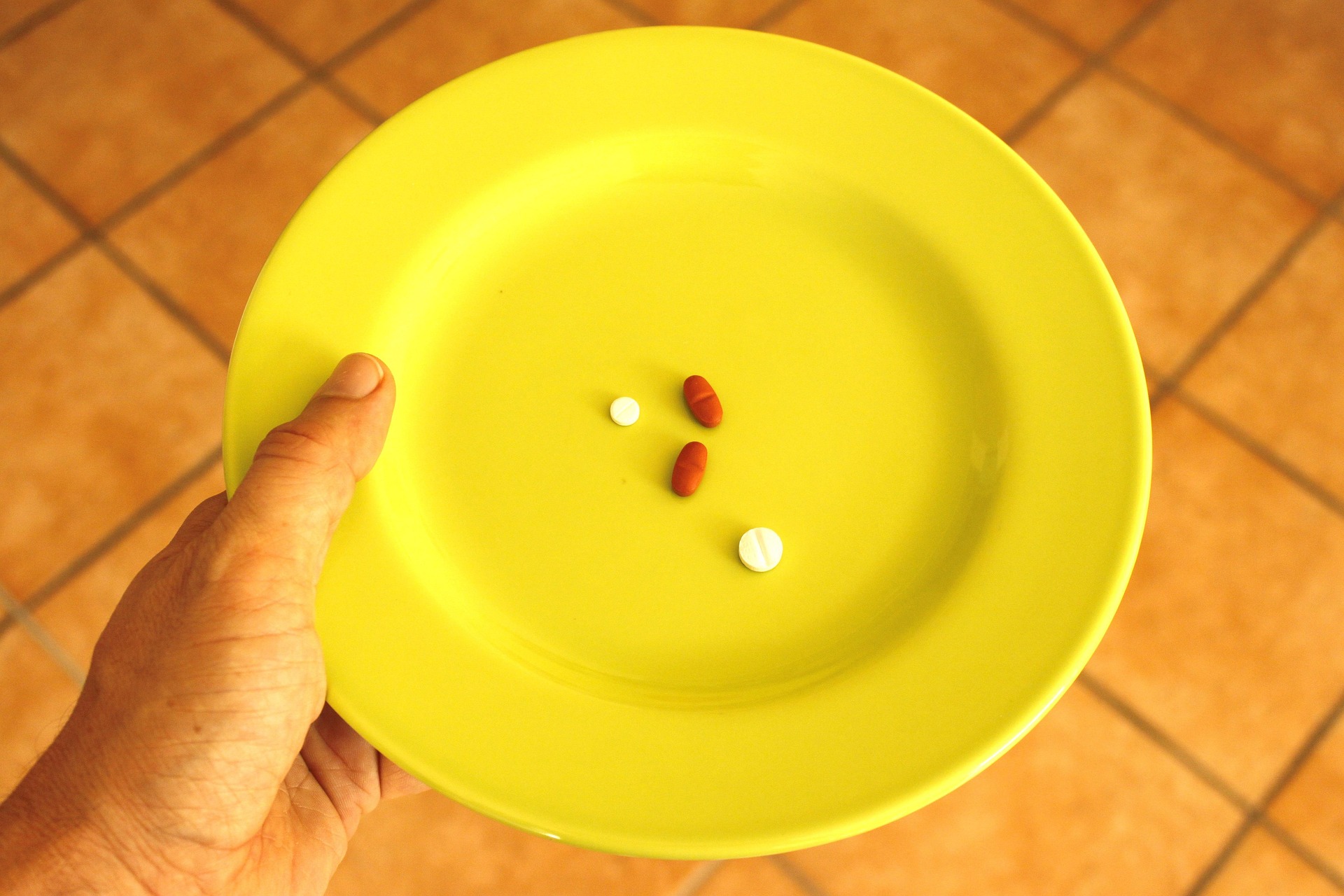

It starts with good intentions.
A headache here. A sore back there. You take one pill, feel better, move on. Easy.
Then, somewhere between “just for today” and “I’ll deal with it later”, it becomes routine. Morning stiffness? Ibuprofen. Long day? Ibuprofen. Didn’t even think about it? Still ibuprofen.
Fast-forward a year. And now the question finally surfaces: what happens if you take ibuprofen everyday for a year?
Not dramatic. Not instant. But not nothing either.
The Comfort Trap (a.k.a. Why This Sneaks Up on You)
Ibuprofen works. That’s the problem, and the appeal.
It reduces inflammation, dulls pain, and lets you keep going like nothing’s wrong. Which is great… until it quietly becomes your default setting.
Because when something works this well, you stop questioning it.
(And that’s usually when it’s worth questioning it.)
Your Stomach Keeps Score
Let’s start where most issues show up: your gut.
Ibuprofen doesn’t just block pain, it also reduces protective chemicals in your stomach lining. Over time, that can lead to:
- Irritation
- Ulcers
- Even internal bleeding
The National Institutes of Health flags long-term NSAID use as a major cause of gastrointestinal problems.
And here’s the tricky part: it builds quietly. No flashing warning signs. Until there are.
Kidneys: The Silent Workhorses (Under Pressure)
Your kidneys filter everything, including ibuprofen.
Take it daily for a year, and you’re asking them to keep up with constant demand. Usually, they manage. Until they don’t.
Long-term use can:
- Reduce blood flow to the kidneys
- Increase the risk of damage
- Worsen existing issues you may not even know you have
It’s not dramatic. It’s gradual. Which somehow makes it easier to ignore.
Your Heart Might Have Opinions Too
This is the part people don’t expect.
Regular, long-term use of NSAIDs like ibuprofen has been linked to:
- Increased blood pressure
- Higher risk of heart attack or stroke
According to the U.S. Food and Drug Administration, these risks can show up even without prior heart problems, especially at higher doses.
So yeah. That “harmless” daily pill? Not entirely neutral.
Meanwhile… The Real Problem Is Still There
Let’s zoom out.
If you’re taking ibuprofen every day, something is causing that need. Chronic pain doesn’t appear out of nowhere.
Maybe it’s:
- A lingering injury
- Poor posture (hello, desk life)
- Inflammation from an underlying condition
And while ibuprofen keeps things manageable, it can also mask the signal your body is trying to send.
Which raises an uncomfortable question:
Are you treating the pain, or avoiding the cause?
The Liver (Less Drama, Still Relevant)
Compared to some medications, ibuprofen is easier on the liver. But daily use, especially combined with alcohol or other meds, can still add stress.
Not the headline risk. But not irrelevant either.
Think of it as background noise. Low, but constant.
So… What Happens If You Take Ibuprofen Everyday for a Year?
Let’s put it together without sugarcoating it:
- Your stomach may become irritated, or worse
- Your kidneys take on extra strain
- Your cardiovascular risk may creep up
- Your underlying issue stays unresolved
Not guaranteed. Not immediate. But very real over time.
When Daily Use Does Make Sense
To be fair, there are situations where daily ibuprofen is part of a plan, chronic conditions, post-injury management, specific inflammatory diseases.
The difference?
Supervision.
Doctors monitor dosage, track side effects, and adjust as needed. It’s intentional, not accidental.
A Small Reality Check
If you’ve been taking it daily, don’t panic. Seriously.
This isn’t a horror story. It’s a nudge.
A reminder that something so easy to rely on deserves a second look if it becomes routine.
Final Thought: Easy Isn’t Always Harmless
So, what happens if you take ibuprofen everyday for a year?
Nothing obvious, until something is.
That’s the nature of slow-building risks. Quiet. Gradual. Easy to overlook.
Ibuprofen is useful. Reliable. Sometimes necessary.
But if it’s become part of your daily background, it might be time to ask why, and whether there’s a better long-term plan hiding behind that small, familiar pill.
*This article is for informational purposes only and should not be taken as official legal advice*