
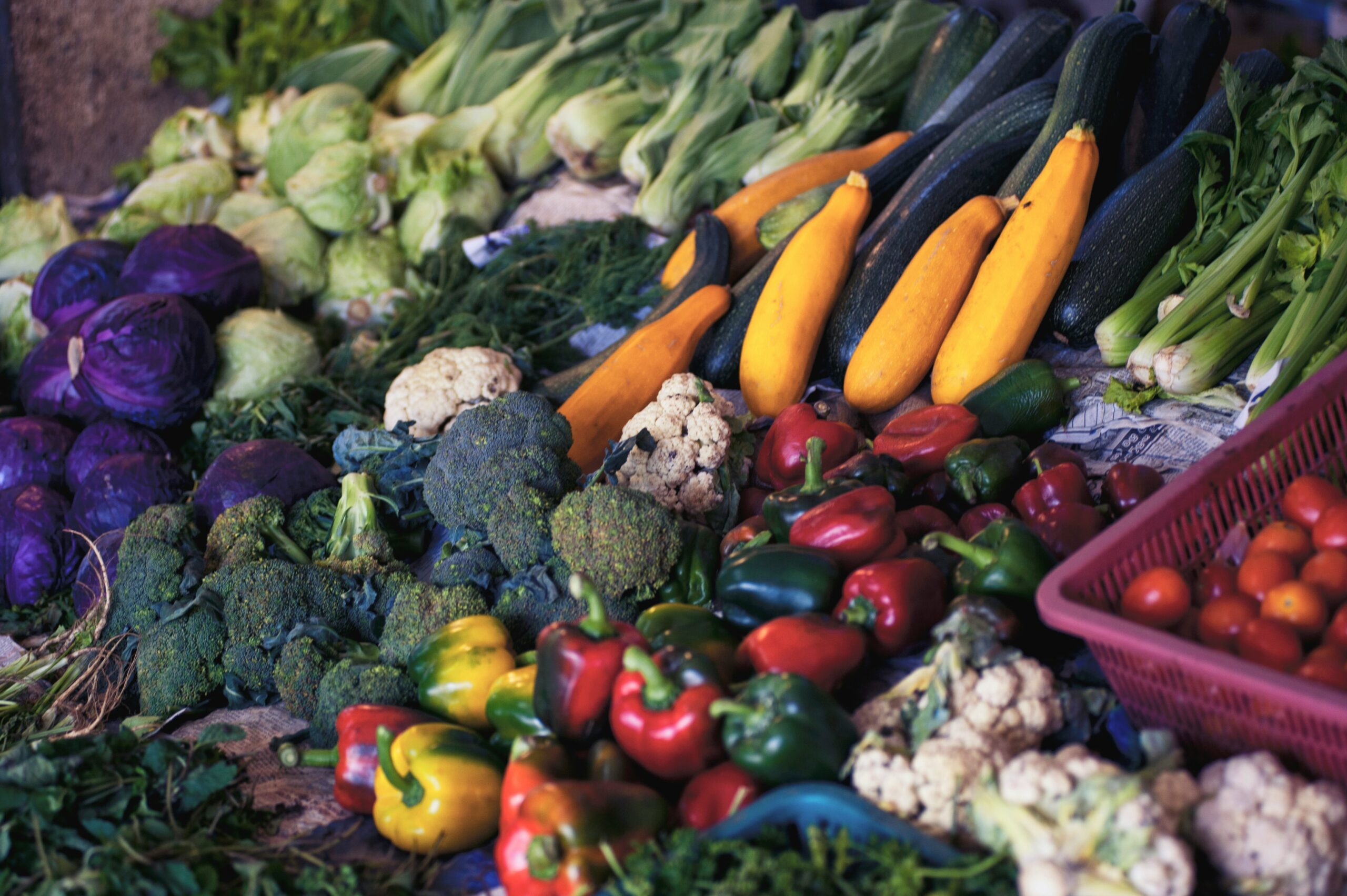
Walk into any grocery store and it’s a sea of green. Spinach. Kale. Broccoli. Brussels sprouts. Somewhere between the produce aisle and your cart, the question pops up: what is the healthiest vegetable you can eat every day?
It’s a fair question, and a slightly misleading one.
Because the real answer isn’t about crowning a single winner. It’s about understanding what your body actually needs, and which vegetables deliver the most nutritional return per bite.
Still, if you’re forcing a ranking? A few contenders consistently rise to the top.
The Case for Dark Leafy Greens
If nutrition had a hall of fame, leafy greens would have their own wing.
Vegetables like spinach, kale, and Swiss chard are packed with:
- Vitamins A, C, and K
- Folate and iron
- Antioxidants that help fight inflammation
Kale, in particular, often gets labeled a “superfood”, and for good reason. It’s low in calories but incredibly dense in nutrients. According to the Harvard T.H. Chan School of Public Health, diets rich in leafy greens are linked to lower risks of heart disease and certain cancers.
So if you’re narrowing down what is the healthiest vegetable, leafy greens are a strong everyday default.
Broccoli: The Quiet Overachiever
Broccoli doesn’t always get the same hype, but it probably should.
This cruciferous vegetable contains:
- Fiber for digestion
- Vitamin C for immune support
- Sulforaphane, a compound studied for its potential cancer-fighting properties
It’s also versatile, roasted, steamed, stir-fried, and holds up better than delicate greens if you’re meal prepping.
Think of broccoli as the reliable friend: not flashy, but always delivering.
Carrots: More Than Just Eye Health
Carrots tend to get reduced to one benefit, vision, but they’re doing a lot more behind the scenes.
They’re rich in beta-carotene, which your body converts into vitamin A, supporting:
- Immune function
- Skin health
- Cellular repair
They also add natural sweetness and crunch, which makes healthy eating feel less like a chore.
Bell Peppers: Color = Nutrients
If your plate looks dull, your nutrient intake probably is too.
Bell peppers, especially red ones, are loaded with vitamin C, even more than oranges in some cases. They also contain antioxidants that support skin and immune health.
The takeaway? Color matters. The brighter your vegetables, the broader the range of nutrients you’re getting.
So… What Is the Healthiest Vegetable?
Here’s the honest answer: there isn’t just one.
The healthiest vegetable is the one you’ll actually eat consistently, and rotate with others.
The USDA’s dietary guidelines emphasize variety for a reason. Different vegetables provide different nutrients, and your body thrives on that diversity.
In other words, eating only kale every day isn’t the win it sounds like.
A Smarter Everyday Strategy
Instead of chasing a single “best” vegetable, aim for a mix:
- Leafy greens (spinach, kale) for vitamins and minerals
- Cruciferous vegetables (broccoli, cauliflower) for fiber and compounds like sulforaphane
- Colorful options (carrots, peppers) for antioxidants
A simple rule: eat at least 2–3 different vegetables daily, and rotate them throughout the week.
It’s less about perfection, more about coverage.
Final Thought: Consistency Beats Perfection
The obsession with finding what is the healthiest vegetable misses the bigger picture.
Health doesn’t come from one “perfect” food. It comes from patterns, what you eat day after day, week after week.
So yes, load up on kale if you like it. Add broccoli for balance. Toss in peppers for color. Keep carrots around for crunch.
Not glamorous. Not trendy. But quietly effective.
And in nutrition, that’s usually what works.
*This article is for informational purposes only and should not be taken as official legal advice*