You feel it before you see it.
That weird, fuzzy layer when your tongue drags across your teeth. Not painful. Not dramatic. Just… wrong.
You brushed this morning. You did your duty. So why does it still feel like your teeth are wearing a sweater?
Welcome to plaque, the quiet overachiever of dental problems.
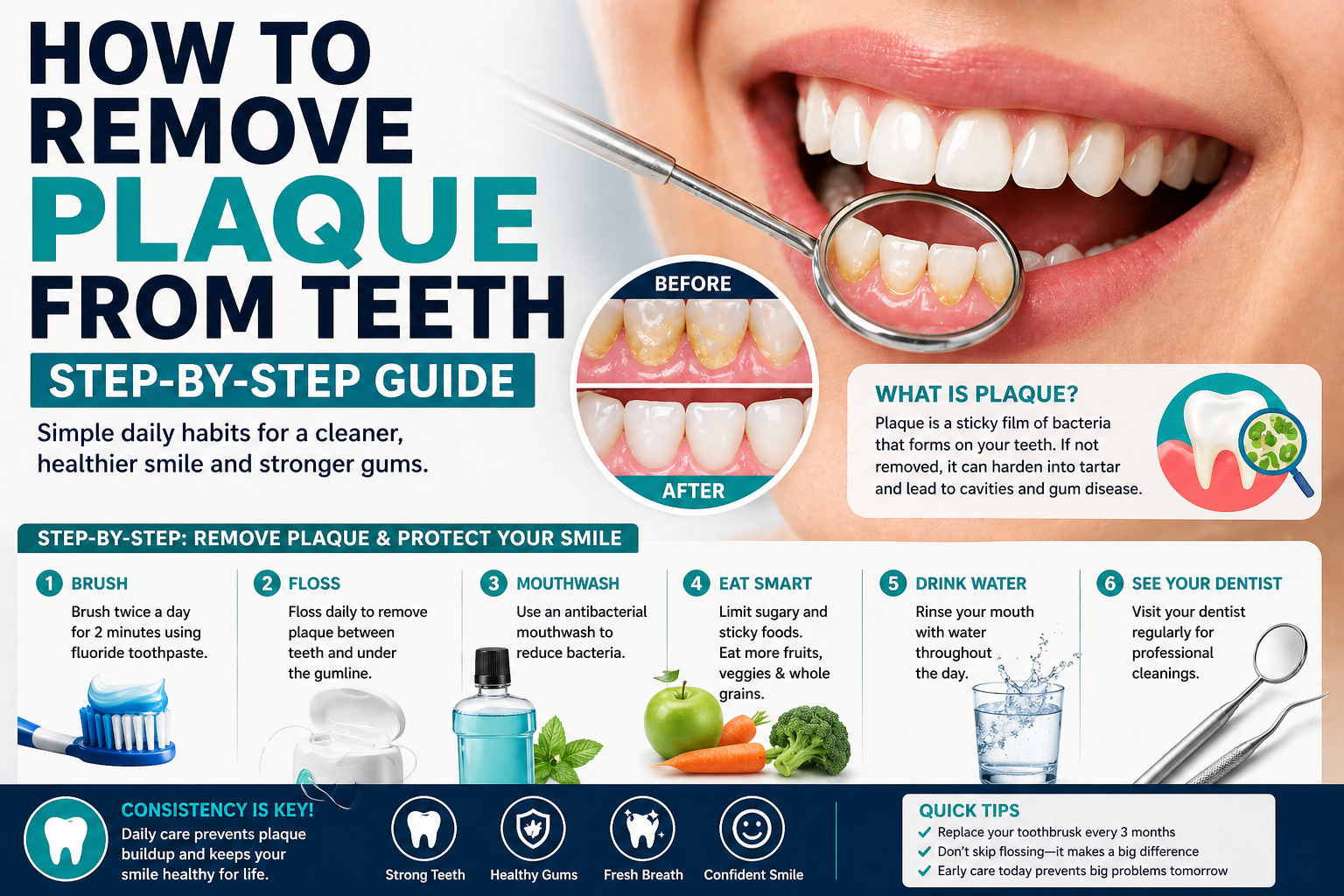
And if you’re wondering how to remove plaque from teeth without turning your bathroom into a science lab, good news: it’s simpler than you think. Bad news: it requires consistency. (Yes, that word again.)
Let’s get into it.
Plaque: The Thing You Ignore Until You Can’t
Plaque isn’t mysterious. It’s just:
- Bacteria
- Food debris
- Saliva
All teaming up to form a sticky film that clings to your teeth like it pays rent.
Ignore it? It hardens.
Let it harden? It becomes tartar.
Let that sit? Now you’re having a very different conversation, with a dentist.
According to the American Dental Association, plaque is the main driver behind cavities and gum disease.
So no, it’s not just cosmetic.
Step 1: Brush Like You Mean It (Not Like You’re Late)
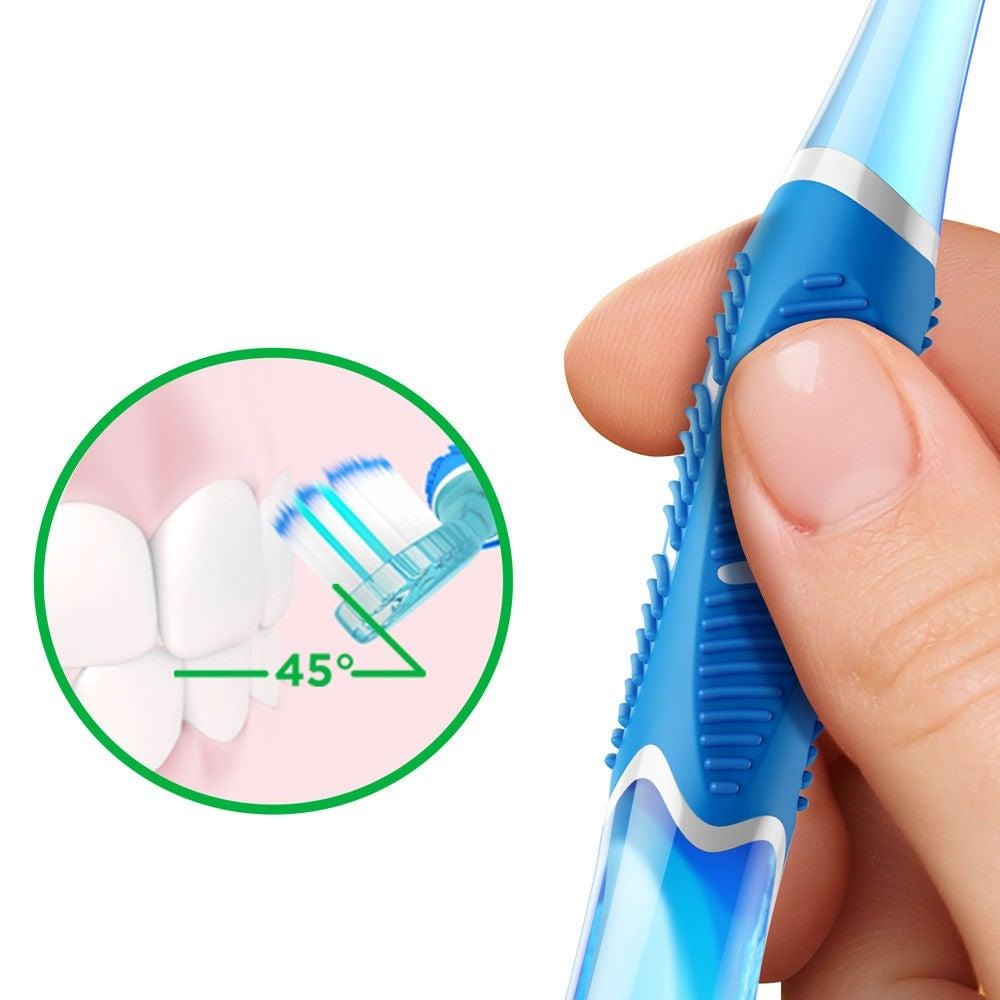
Let’s be honest, most people rush brushing like it’s a checkbox.
Two minutes? Feels like forever.
But it’s not optional.
Do it properly:
- Hold your brush at a 45-degree angle
- Use gentle circles, not aggressive scrubbing
- Cover every surface (yes, even the back ones you ignore)
Short strokes. Light pressure. Full coverage.
Because brushing harder doesn’t clean better, it just annoys your gums.
Step 2: Floss (Yes, Even the Teeth You Pretend Don’t Exist)
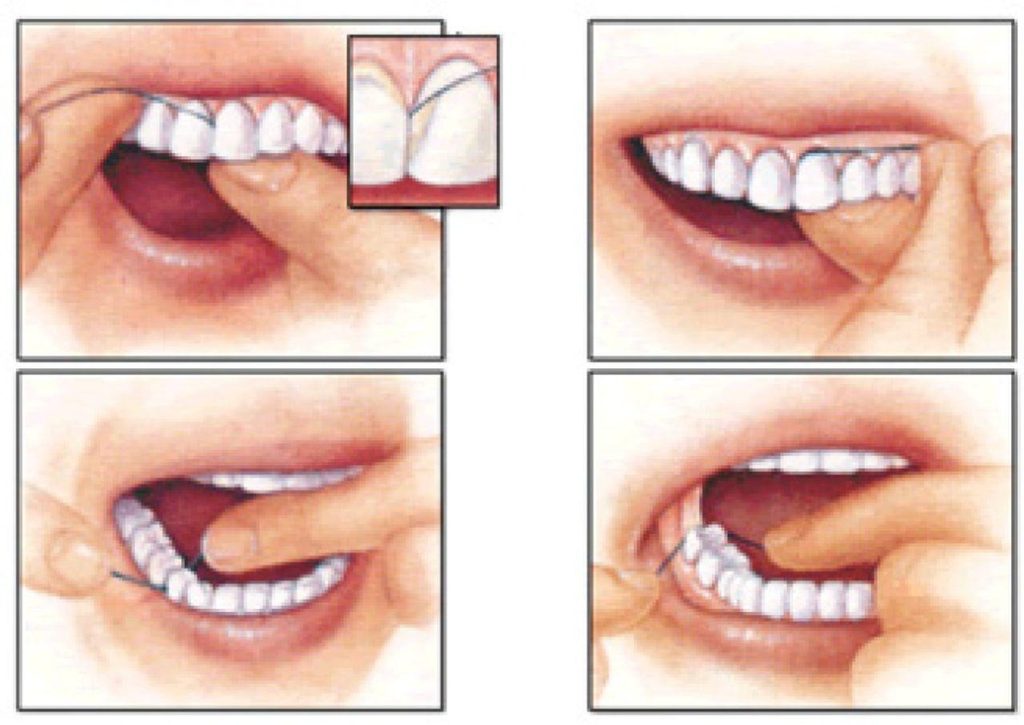
Here’s the uncomfortable truth:
If you don’t floss, you’re leaving a chunk of plaque untouched.
Like… a lot of it.
Why flossing matters:
- Toothbrushes miss tight spaces
- Plaque builds between teeth quietly
- That’s where gum issues often start
Do it right:
- Slide floss gently
- Curve it around the tooth
- Move it up and down
Not glamorous. Not exciting. Extremely effective.
Step 3: Toothpaste Isn’t Just Foam, It’s Function
You don’t need ten ingredients you can’t pronounce.
You need fluoride.
It:
- Strengthens enamel
- Slows plaque buildup
- Helps prevent decay
The Centers for Disease Control and Prevention backs fluoride as a core part of oral health.
So yes, your toothpaste choice matters more than the packaging suggests.
Step 4: Mouthwash, Helpful, Not Heroic
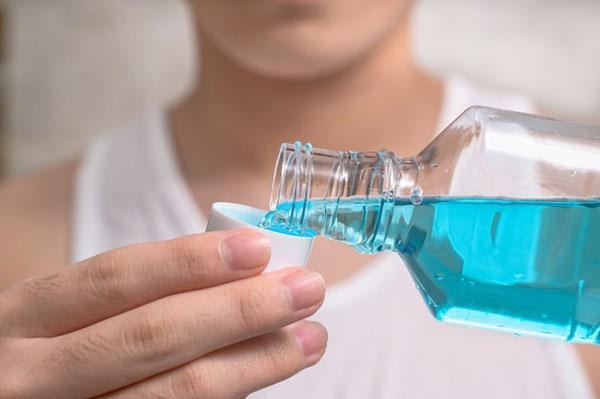
Mouthwash has a reputation. Sometimes overhyped.
It helps reduce bacteria. It freshens breath. And it adds a layer of protection.
But let’s be clear:
It doesn’t replace brushing.
It doesn’t replace flossing.
It’s the backup singer, not the lead.
Step 5: Your Diet Is Either Helping You, or Quietly Working Against You
Plaque loves sugar.
Not casually. Enthusiastically.
Every sugary snack feeds bacteria that produce acid. That acid sticks. That stickiness becomes buildup.
Translation:
- Constant snacking = constant plaque formation
- Sticky foods = longer exposure
- Sugary drinks = even worse
You don’t need to eliminate everything.
Just stop giving plaque a steady buffet.
Step 6: Water, The Simplest Fix You’re Probably Ignoring
Drink more water.
That’s it.
It:
- Rinses your mouth
- Reduces acid
- Keeps saliva flowing
Saliva is your body’s natural plaque defense.
Underestimated? Completely.
Step 7: Upgrade Your Tools (Because It’s 2026, Not 1996)
You can brush manually forever. Sure.
But better tools exist.
Worth considering:
- Electric toothbrushes → more consistent cleaning
- Water flossers → easier for people who hate floss
- Interdental brushes → great for gaps
You don’t need all of them.
But one upgrade? Noticeable difference.
Step 8: Consistency (The Part Nobody Wants to Hear)
Here’s the part where enthusiasm fades.
Because there’s no hack here.
No shortcut. No one-time fix.
Plaque forms daily.
Which means removal has to be daily.
Skip once? It builds.
Skip often? It hardens.
And once it hardens, you’re no longer in control.
What Happens If You Ignore Plaque? (Spoiler: It Doesn’t Stay Quiet)
Let’s follow the timeline:
- Plaque → soft, removable
- Tartar → hardened, needs professional cleaning
- Gingivitis → inflamed gums, bleeding
- Periodontal disease → deeper damage
The Mayo Clinic highlights that untreated plaque can lead to serious gum disease.
So no, it doesn’t just sit there politely.
“Natural” Methods, Let’s Talk About That
Yes, some natural habits help:
- Eating crunchy vegetables
- Staying hydrated
- Maintaining good hygiene
But trends like:
- Scraping your teeth with random tools
- Overusing baking soda
…can do more harm than good.
Natural doesn’t mean risk-free.
How Often Should You Be Doing This? (You Already Know the Answer)
Daily.
Twice a day brushing.
Once a day flossing.
Occasional rinse.
And every few months?
A professional cleaning.
Because tartar doesn’t care how motivated you are, it’s not leaving without help.
Signs You’re Losing the Plaque Battle
Pay attention to subtle cues:
- Teeth feel fuzzy
- Breath isn’t great (even after brushing)
- Gums bleed slightly
- Yellowish buildup near the gumline
These aren’t random.
They’re early warnings.
FAQs: How to Remove Plaque from Teeth
Can you remove plaque completely at home?
Yes, if it hasn’t turned into tartar.
How fast does plaque harden?
Sometimes within a couple of days.
Is an electric toothbrush worth it?
Usually, yes.
Does mouthwash remove plaque?
Helps, but doesn’t replace brushing or flossing.
Do I really need to floss daily?
If you want clean teeth… yes.
Is diet actually important?
More than most people think.
The Bottom Line (No Magic, Just Habits)
Learning how to remove plaque from teeth isn’t complicated.
It’s repetitive. Predictable. Slightly boring.
But effective.
Brush properly.
Floss consistently.
Pay attention.
Because plaque doesn’t take a day off.
And if you do?
It notices.
*This article is for informational purposes only and should not be taken as official legal advice*