It wasn’t a viral video.
It wasn’t a factory shutdown.
Or it wasn’t even contamination.
The Weaver Nut company chocolate recall started with something far quieter, and, in many ways, more unsettling:
A label.
Just one detail missing or incorrect on packaging can turn an everyday snack into a potential health risk. And in this case, that’s exactly what happened.
So what actually caused the recall? Who was affected? And why do labeling errors trigger such serious responses?
Let’s unpack it.
The Short Answer: A Labeling Error with Real Consequences
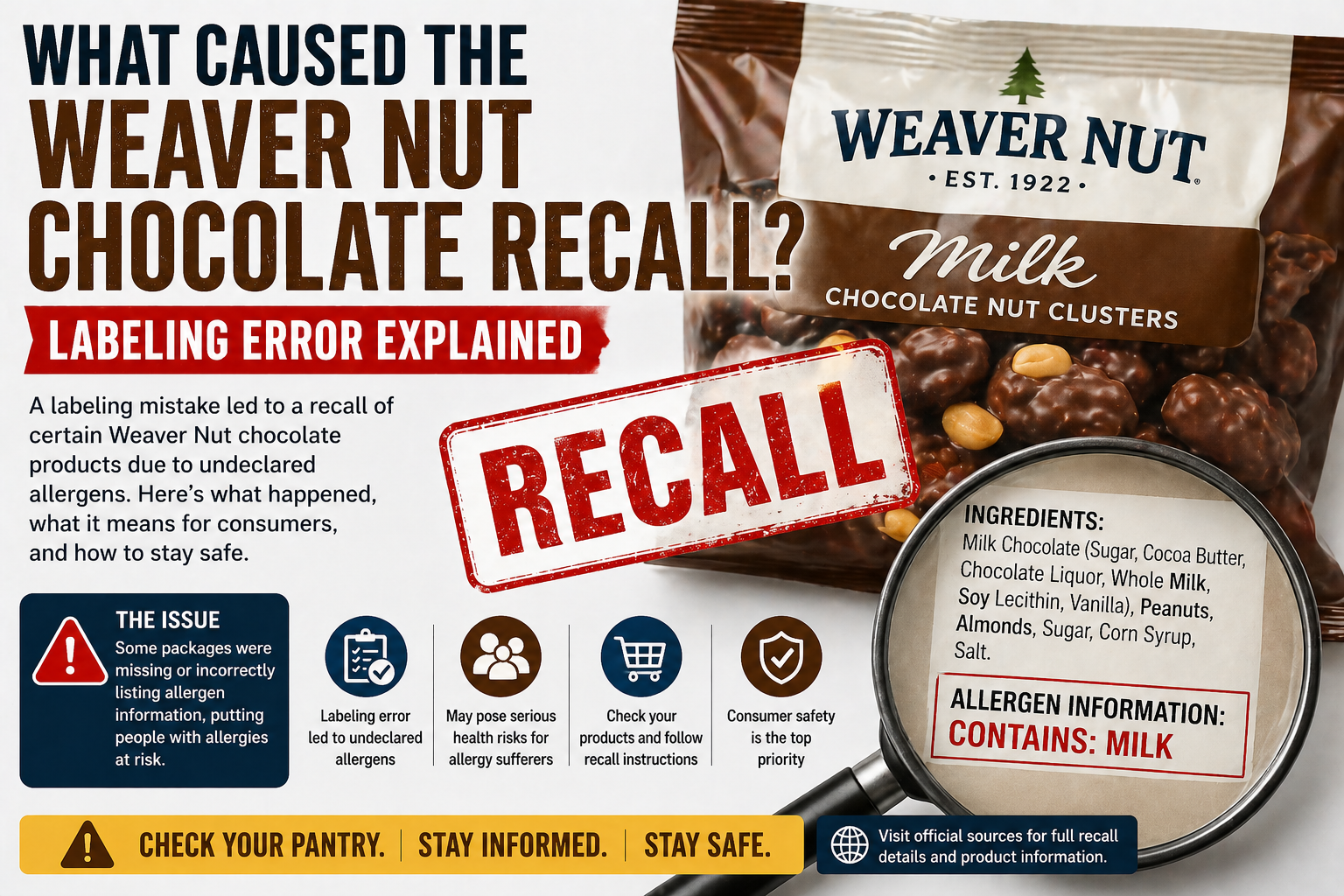
At the center of the Weaver Nut company chocolate recall was a mislabeling issue involving allergens.
Specifically, certain chocolate products were found to be:
- Incorrectly labeled
- Missing key allergen information
- Potentially dangerous for people with food allergies
No contamination. No foreign objects. And no spoilage.
Just incorrect, or incomplete, information on the package.
And that’s enough to trigger a recall.
Why Labeling Errors Matter More Than You Think
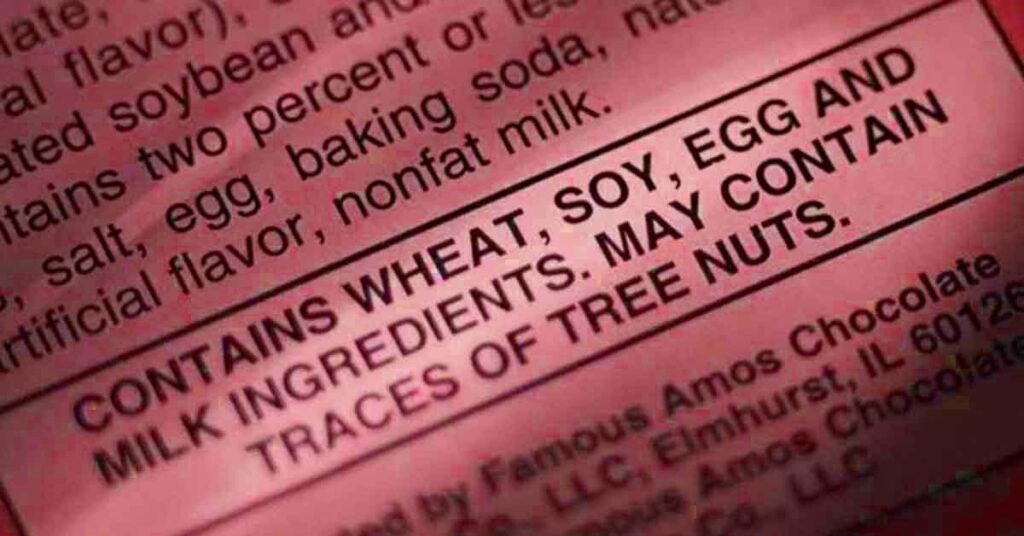
For most people, a mislabeled product might seem like a minor issue.
For someone with a food allergy? It’s not minor at all.
Even trace amounts of allergens, like:
- Milk
- Nuts
- Soy
- Wheat
…can trigger reactions ranging from mild discomfort to life-threatening anaphylaxis.
That’s why accurate labeling isn’t optional, it’s critical.
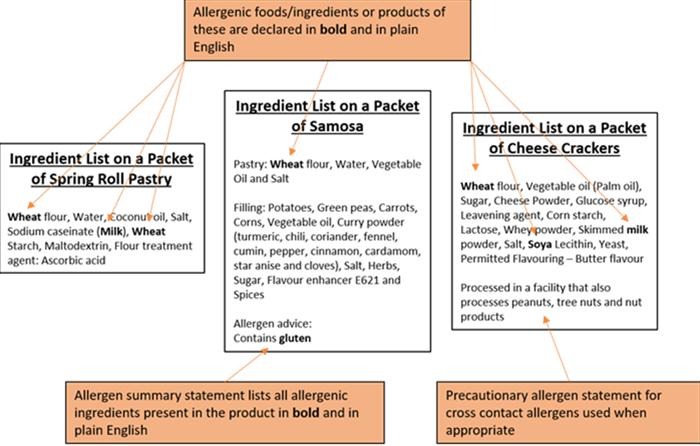
The U.S. Food and Drug Administration requires manufacturers to clearly disclose major allergens on food packaging.
If that information is wrong or missing, the product is considered unsafe.
What Exactly Went Wrong in the Recall?
While specifics can vary depending on batch and product line, the core issue in the Weaver Nut company chocolate recall was:
- Products containing allergens were not properly declared on labels
- Some packaging may have listed incorrect ingredients
- Consumers could not reliably identify allergen risks
In practical terms:
Someone avoiding a specific ingredient might unknowingly consume it.
And that’s where the danger lies.
How Recalls Like This Are Discovered
Recalls don’t always start in a lab.
Sometimes they begin with:
- Internal quality checks
- Customer complaints
- Routine inspections
- Supplier discrepancies
Once a potential issue is identified, companies often act quickly, sometimes voluntarily, to pull affected products from shelves.
That’s what appears to have happened here.
Who Was Affected?
The recall primarily impacted:
- Consumers who purchased specific Weaver Nut chocolate products
- Individuals with food allergies (highest risk group)
- Retailers carrying the affected items
If you didn’t have allergies, the risk was minimal.
If you did? The stakes were much higher.
What Should Consumers Do During a Recall?
If a product you purchased is part of a recall, the advice is straightforward:
1. Stop consuming it immediately
Even if it looks fine.
2. Check the recall details
Look for:
- Product name
- Lot numbers
- Expiration dates
3. Return or dispose of the product
Most retailers offer refunds for recalled items.
4. Monitor for symptoms (if consumed)
Especially if you have known allergies.
Why Companies Issue Recalls (Even Without Illness Reports)
Here’s something important:
A recall doesn’t mean people were harmed.
Often, recalls are preventive.
Companies act when there’s:
- A potential risk
- A regulatory concern
- Uncertainty about product safety
In fact, issuing a recall early can prevent harm entirely.
The Bigger Picture: Food Safety Systems at Work
The Weaver Nut company chocolate recall is part of a larger system designed to protect consumers.
Food safety in the U.S. involves:
- Manufacturers
- Regulatory agencies
- Retailers
- Quality control processes
When something slips, even something as small as a label, it’s taken seriously.
Because small errors can have big consequences.
How Labeling Errors Happen
It’s rarely intentional.
Common causes include:
- Packaging mix-ups
- Printing errors
- Supplier ingredient changes
- Miscommunication in production lines
In fast-moving manufacturing environments, even a small oversight can lead to widespread issues.
That’s why checks, and rechecks, exist.
Are Chocolate Recalls Common?
Not especially, but they do happen.
Chocolate products can be recalled for:
- Allergen mislabeling
- Cross-contamination risks
- Quality concerns
Among these, labeling errors are one of the more frequent reasons.
Because they’re easy to miss, but critical when they matter.
What This Means for Consumers Going Forward
This recall is a reminder of something simple:
Labels matter.
Even if you’ve bought the same product for years, it’s still worth:
- Glancing at the ingredient list
- Checking allergen statements
- Staying aware of recalls
Especially if you, or someone in your household, has food sensitivities.
FAQs: Weaver Nut Company Chocolate Recall
What caused the Weaver Nut company chocolate recall?
A labeling error involving undeclared or incorrectly listed allergens.
Was the chocolate contaminated?
No. The issue was related to labeling, not product contamination.
Who is most at risk?
Individuals with food allergies to the undeclared ingredients.
What should I do if I bought the product?
Stop using it and follow recall instructions (return or dispose).
Are recalls like this common?
Yes, labeling errors are a common reason for food recalls.
Does a recall mean the company is unsafe?
Not necessarily. Recalls often show that safety systems are working.
The Bottom Line
The Weaver Nut company chocolate recall wasn’t about something visibly wrong.
It was about something invisible, but essential.
A label.
And in food safety, labels aren’t just details. They’re protection.
Because for some people, knowing exactly what’s in a product isn’t optional, it’s the difference between safe and unsafe.
So while this recall may seem minor on the surface, it highlights something bigger:
Even small errors deserve serious attention.
And in this case, that attention likely prevented far greater consequences.
*This article is for informational purposes only and should not be taken as official legal advice*