It starts with a snack you trust. Something you’ve bought a dozen times without thinking. Then one morning, a headline interrupts the routine: a recall. Suddenly, that familiar bag in your pantry feels… questionable.
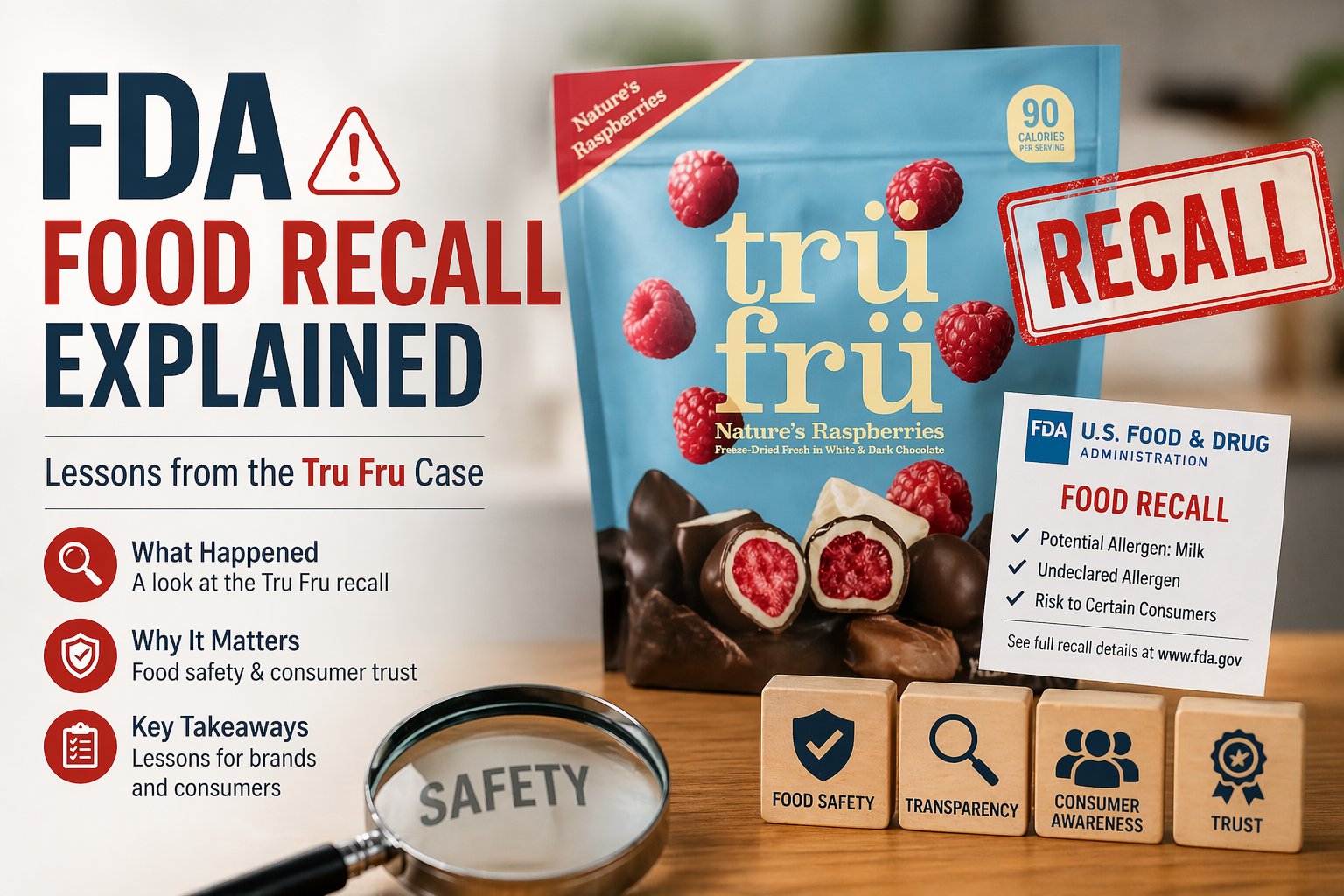
That’s exactly the kind of moment that made the Tru Fru product recall a talking point, and a useful case study in how food safety actually works in the U.S.
Because recalls aren’t just about one brand slipping up. They’re about systems, timing, and how quickly risk gets contained once something goes wrong.
What Happened in the Tru Fru Product Recall?
Tru Fru built its reputation on indulgent-but-better snacks, real fruit coated in chocolate, sold frozen or shelf-stable. It’s the kind of product that feels safe by default.
But like any packaged food, it’s still part of a complex supply chain.
The Tru Fru product recall was triggered after concerns over possible contamination linked to one of its ingredients or production processes. While details can vary by batch and timing, recalls like this are typically initiated when there’s a potential health risk, not just a confirmed one.
That distinction matters. A recall doesn’t always mean people got sick, it often means the system worked early enough to prevent it.
To understand why, you have to look at how recalls actually unfold.
How FDA Food Recalls Work (Without the Jargon)
The U.S. Food and Drug Administration doesn’t just swoop in randomly and pull products off shelves. Most recalls follow a structured process:
1. Detection
A problem surfaces. This could come from:
- Routine testing
- Consumer complaints
- Internal quality checks by the company
Sometimes it’s a single report. Sometimes it’s a pattern.
2. Risk Assessment
The FDA and the company evaluate:
- What’s the contaminant?
- How dangerous is it?
- Who could be affected?
This is where recalls get classified into categories like:
- Class I (serious health risk)
- Class II (temporary or reversible risk)
- Class III (unlikely to cause harm)
You can explore how these classifications work through the FDA’s official guidance on FDA food recall classifications.
3. Public Announcement
Once a recall is confirmed, it’s published publicly, often through the FDA’s recall database and company statements. A high-authority reference point is the FDA’s recall portal.
This step is critical. It’s how consumers know whether the product in their kitchen is affected.
4. Removal and Correction
Retailers pull the product. Distributors stop shipping it. Consumers are told to:
- Throw it away
- Return it
- Or in rare cases, follow specific handling instructions
What Made the Tru Fru Case Noteworthy
The Tru Fru product recall didn’t just raise questions about one product, it highlighted a few broader realities about modern food systems.
Supply Chains Are Complicated
Even a simple snack like chocolate-covered fruit can involve:
- Multiple ingredient suppliers
- Different processing facilities
- Cross-contact risks during packaging
A single weak link can trigger a recall across thousands of units.
Recalls Are Often Preventive
There’s a common misconception that recalls only happen after people get sick.
In reality, many recalls, including cases like Tru Fru, are precautionary. That means:
- A risk is identified
- The product is pulled before widespread harm occurs
It’s less dramatic, but far more effective.
Brand Trust Gets Tested Instantly
Food brands live and die on consistency. One recall doesn’t automatically destroy a company, but how it responds absolutely matters.
Quick communication, transparency, and clear instructions often determine whether customers come back.
Common Causes Behind Food Recalls
The Tru Fru situation fits into a larger pattern. Most food recalls stem from a few recurring issues:
1. Microbial Contamination
This includes bacteria like:
- Salmonella
- Listeria monocytogenes
These are among the most serious causes because they can lead to severe illness, especially in vulnerable populations.
For deeper context, the Centers for Disease Control and Prevention provides detailed data on foodborne outbreaks.
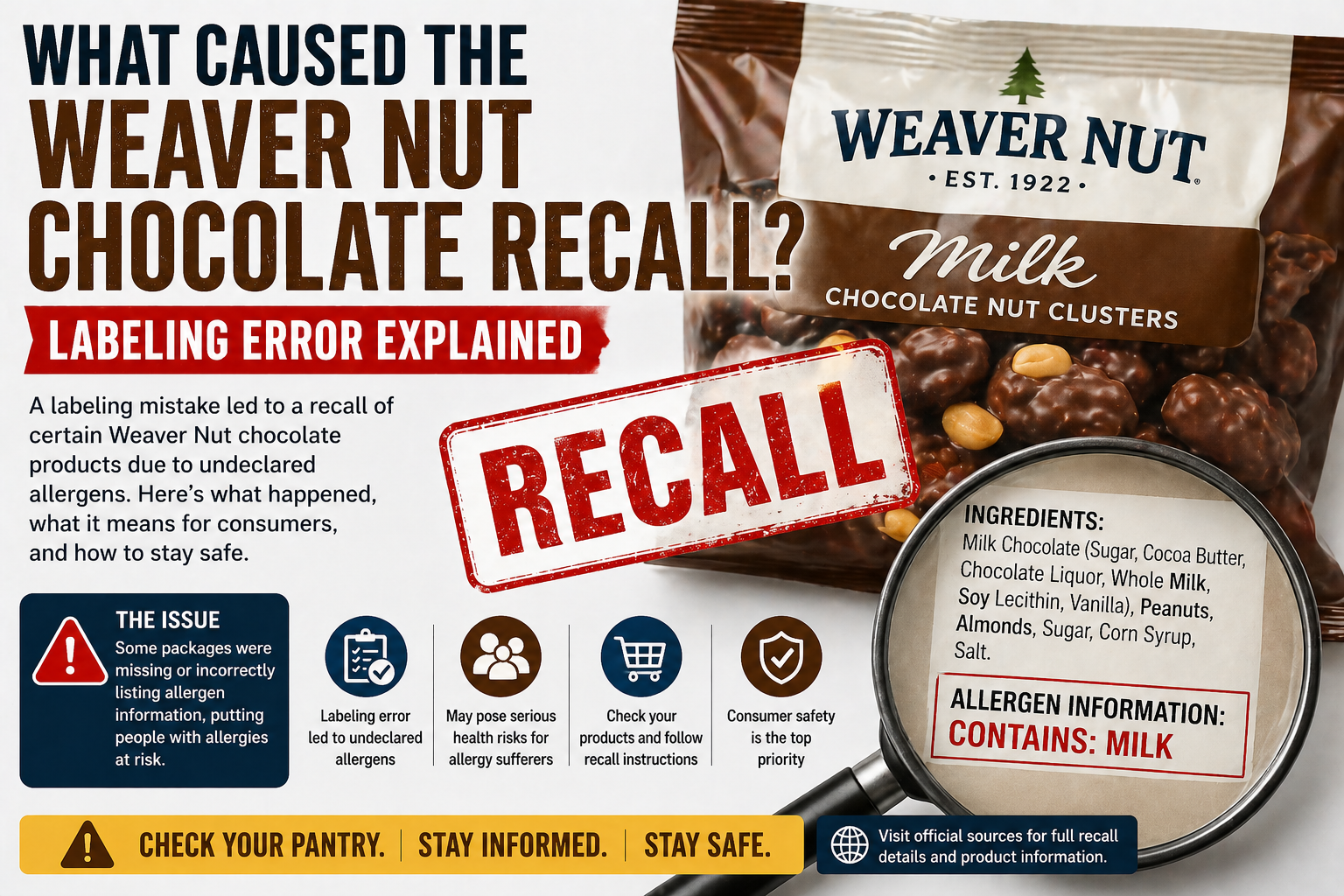
2. Undeclared Allergens
A labeling mistake, like missing a nut or dairy warning, can be life-threatening for someone with allergies.
3. Foreign Material
Fragments of plastic, metal, or glass occasionally make their way into products due to equipment failure.
4. Process Failures
Improper storage temperatures, sanitation lapses, or cross-contamination during production can all trigger recalls.
What Consumers Should Do During a Recall
When news of something like the Tru Fru product recall breaks, the response doesn’t need to be dramatic, but it should be deliberate.
Check the Details
Look for:
- Product name
- Batch or lot number
- Expiration date
Not every item from the brand is affected.
Follow Official Instructions
Don’t improvise. If the recall says discard the product, do that. If it says return it, follow that process.
Monitor Symptoms (If Relevant)
If the recall involves contamination and you’ve consumed the product, watch for symptoms, but don’t panic. Many recalls are precautionary.
Stay Informed
Bookmark reliable sources like:
- The FDA recall page
- CDC food safety updates
They’re far more reliable than social media summaries.
What the Tru Fru Product Recall Teaches Us
There’s a tendency to see recalls as failures. And yes, something did go wrong somewhere.
But the bigger picture is more nuanced.
The Tru Fru product recall shows that:
- Detection systems are active
- Companies are incentivized to act quickly
- Regulatory oversight is ongoing
In other words, recalls are part of the safety net, not a sign that it doesn’t exist.
The Subtle Trade-Off Behind Modern Food
Here’s the uncomfortable truth: the convenience we expect, year-round availability, global sourcing, long shelf life, comes with complexity.
More complexity means more points where something can fail.
But it also means more checkpoints:
- Testing
- Auditing
- Monitoring
Recalls sit at the intersection of those two forces.
The Bottom Line
The Tru Fru product recall isn’t just about frozen fruit and chocolate. It’s a reminder of how modern food systems manage risk in real time.
Not perfectly. But often effectively enough to prevent bigger problems.
And for consumers, the takeaway is simple:
Stay informed. Check details. Trust verified sources.
Because in most cases, the recall you hear about is the problem that got caught early, not the one that slipped through.
Frequently Asked Questions (FAQs)
What caused the Tru Fru product recall?
The recall was linked to potential contamination or safety concerns within the product or its ingredients. Like many recalls, it was likely initiated as a precaution before widespread harm occurred.
Is it safe to eat Tru Fru products now?
Only products not listed in the recall are considered safe. Always check batch numbers and official recall notices before consuming.
How do I know if my product is affected?
Compare your product’s lot number, packaging details, and expiration date with the recall announcement from the FDA or the company.
What should I do if I already ate a recalled product?
In most cases, nothing serious will happen, especially if the recall was precautionary. However, monitor for symptoms and consult a healthcare provider if you feel unwell.
Are food recalls common?
Yes. The FDA oversees hundreds of recalls each year, most of which are handled quickly and without widespread harm.
Where can I check current food recalls?
You can visit the FDA’s official recall page for real-time updates.
Food recalls don’t make snacks less safe, they reveal the system designed to keep them that way.
*This article is for informational purposes only and should not be taken as official legal advice*