It starts like any ordinary morning. You scoop your usual “decaf” coffee, expecting a calm, caffeine-free start, only to realize hours later your heart is racing like you just downed an espresso shot. That’s not a bad brew. That’s a labeling mistake, and in 2025, it triggered the widely discussed Massimo Zanetti beverage USA coffee recall.
This wasn’t a contamination scare or a foreign object incident. It was something deceptively simple: coffee labeled as decaffeinated that actually contained caffeine. And for many consumers, that distinction matters more than you’d think.
What Triggered the Recall? A Label That Lied
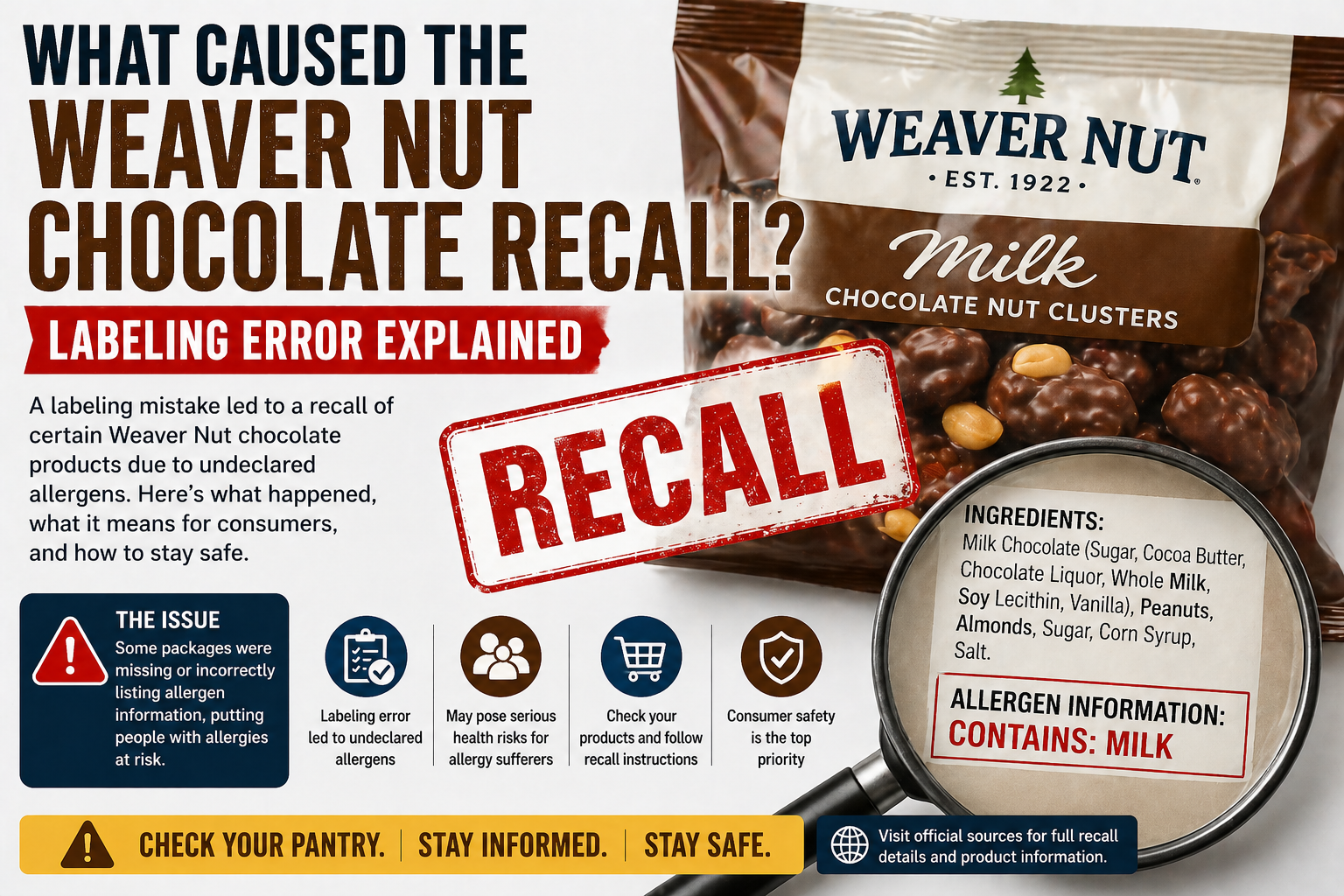
The recall was initiated voluntarily by Massimo Zanetti Beverage USA, one of the largest coffee suppliers in the United States, after discovering a critical labeling error. Certain products marketed as “decaf” were, in fact, fully caffeinated.
The issue was formally classified by the U.S. Food and Drug Administration (FDA) as a Class II recall, meaning the product could cause temporary or medically reversible health effects, but is unlikely to lead to severe consequences.
Still, for specific groups, pregnant individuals, people with heart conditions, or those sensitive to caffeine, the risk wasn’t trivial.
Full List of Affected Products
Let’s get straight to what most people are searching for: the exact products involved in the Massimo Zanetti beverage USA coffee recall.
Primary Recalled Product
- Our Family Traverse City Cherry Artificially Flavored Decaf Light Roast Ground Coffee
- Size: 12 oz (340g)
- UPC: 0 70253 11080 1
- Best By Date: August 3, 2025
- Lot Code: BEST BEFORE 080325 V 15:37 C
- Quantity Recalled: 692 cases (each containing 6 bags)
That’s it. Despite the scale of headlines, the recall was actually limited to a single product line and batch, not a sweeping recall across multiple brands.
Where Was the Recalled Coffee Sold?
The affected coffee wasn’t nationwide, but it wasn’t small, either. Distribution spanned 15 U.S. states, primarily in the Midwest and surrounding regions.
States Included in Distribution
- Colorado
- Iowa
- Illinois
- Indiana
- Kansas
- Kentucky
- Michigan
- Minnesota
- North Carolina
- North Dakota
- Nebraska
- Ohio
- South Dakota
- Wisconsin
- Wyoming
Retail distribution was handled by SpartanNash, a major grocery distributor, meaning the product appeared in regional supermarket chains rather than boutique coffee shops.
Why This Recall Matters More Than It Sounds
At first glance, caffeine in coffee doesn’t sound like a crisis. But context matters.
For many people, “decaf” isn’t a preference, it’s a necessity.
According to health experts cited in coverage of the recall, consuming unexpected caffeine can lead to:
- Increased heart rate
- Anxiety or jitteriness
- Sleep disruption
- Elevated blood pressure
And if someone is actively avoiding caffeine due to medication interactions or pregnancy, the consequences can go beyond discomfort.
This is why even a labeling issue, no contamination, no bacteria, can trigger a nationwide recall.
How the Error Happened
The root cause? A production mix-up.
Some batches of caffeinated coffee were mistakenly packaged and labeled as decaffeinated. It’s not entirely clear whether the error occurred during roasting, packaging, or labeling, but the result was the same: incorrect information reaching consumers.
These types of errors are more common than you might think. In fact, labeling issues are one of the leading causes of food recalls in the U.S., according to FDA enforcement reports.
What Consumers Were Told to Do
If you happened to buy the affected product, the instructions were straightforward:
- Do not consume the coffee
- Check the UPC and “best by” date carefully
- Return the product to the store for a refund
Retailers were also instructed to remove the affected inventory immediately.
Simple steps, but easy to overlook if you’re not aware a recall even exists.
A Pattern in Coffee Recalls? Not Quite
Coffee recalls are actually relatively rare compared to other food categories. When they do happen, they tend to fall into three buckets:
- Labeling errors (like this one)
- Contamination risks (e.g., bacteria in canned coffee)
- Packaging defects (like ink or seal issues in pods)
The Massimo Zanetti beverage USA coffee recall falls squarely into the first, and least dangerous, category.
Still, its scale (thousands of pounds of product) and multi-state distribution made it notable.
What This Says About Food Safety Today
Here’s the quiet takeaway: modern food systems are incredibly efficient, but also incredibly complex.
A single labeling error at one stage of production can ripple across:
- Multiple states
- Thousands of households
- National headlines
The upside? Systems are in place to catch these issues relatively quickly.
The FDA’s recall classification system, explained here, helps consumers understand the severity and respond accordingly.
In this case, the classification signaled caution, not panic.
Final Thoughts: Small Mistake, Real Impact
The Massimo Zanetti beverage USA coffee recall wasn’t about contamination or dangerous substances. It was about trust, specifically, the trust that what’s printed on a label matches what’s inside the bag.
For most people, accidentally drinking caffeinated coffee is just an inconvenience. For others, it’s a health concern.
And that’s why even a “minor” recall can carry major attention.
So next time you grab a bag labeled “decaf,” maybe take a second glance. Not out of paranoia, but out of awareness. Because sometimes, the smallest details, like a single word on a label, make all the difference.
*This article is for informational purposes only and should not be taken as official legal advice*