There’s a moment every parent waits for, the day your baby suddenly decides rolling isn’t enough anymore. One second they’re wobbling on their tummy, the next they’re halfway across the room, chasing a toy (or your phone charger). So, when do babies start crawling, really? The short answer: it varies. The more helpful answer: there’s a pattern, but not a strict schedule.
Let’s walk through what crawling actually looks like, month by month, and what matters more than hitting a specific milestone.
What “Crawling” Actually Means
Before timelines, it helps to reset expectations. Crawling isn’t just one thing. Some babies army crawl. Some scoot. Some roll their way around like tiny strategists. And some skip crawling altogether and go straight to standing or walking.
Pediatric experts often emphasize that crawling is less about the style and more about developing coordination, strength, and mobility.
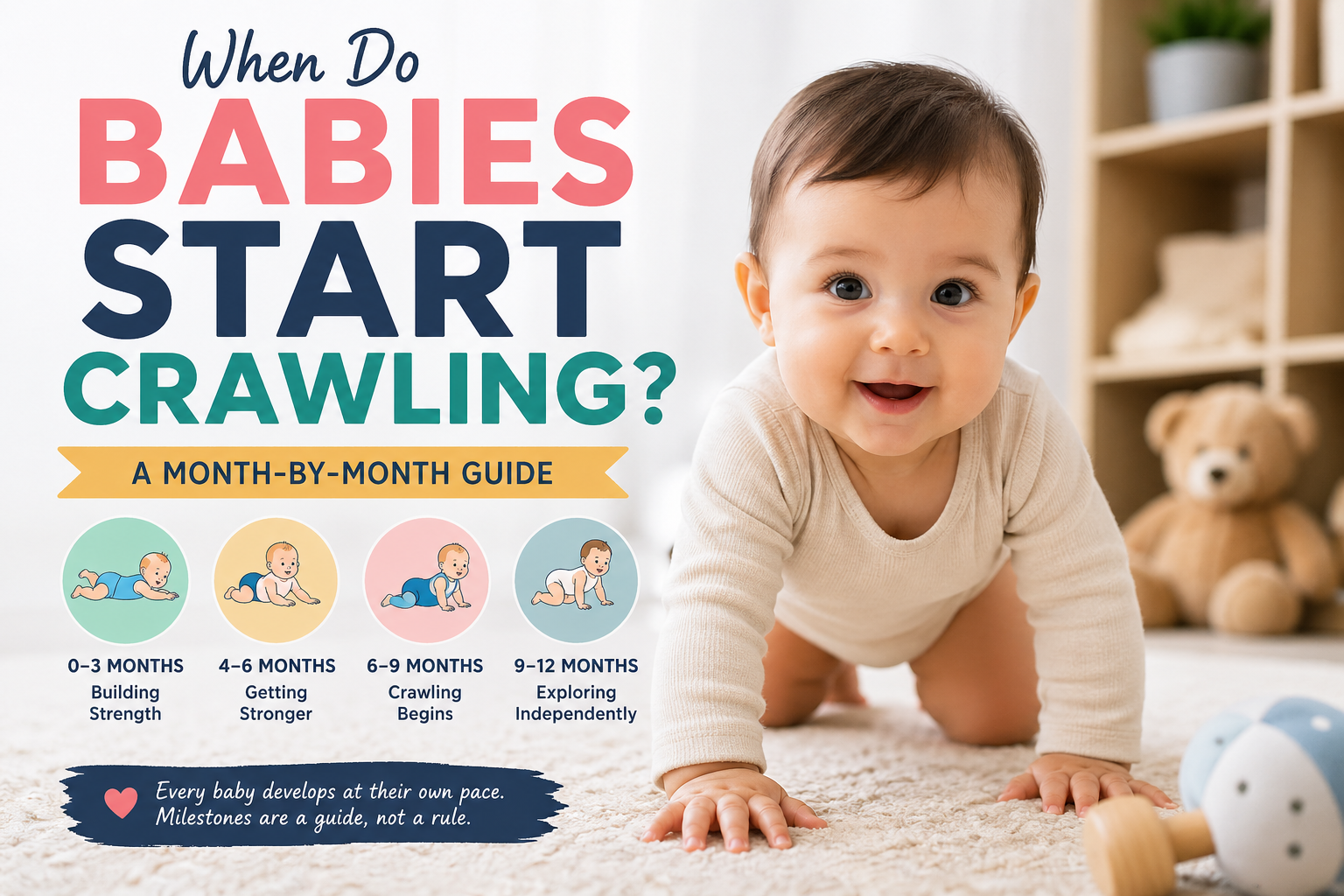
Month-by-Month Development: From Wiggles to Movement
0–3 Months: Building the Foundation
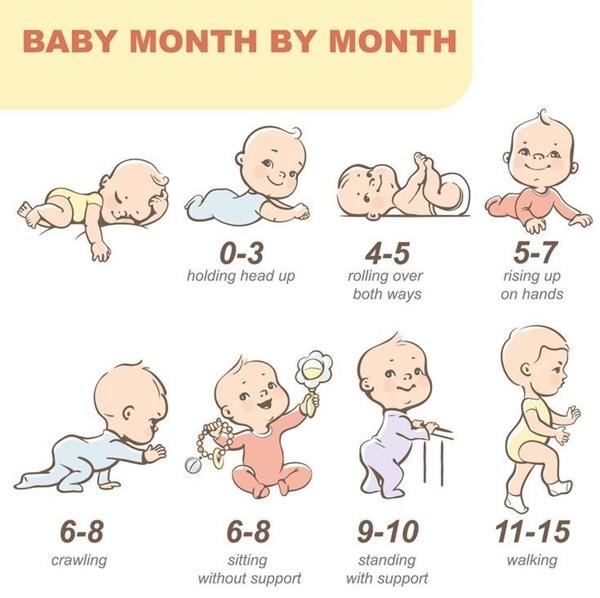
At this stage, babies aren’t anywhere near crawling, but they’re quietly laying the groundwork.
- Learning to lift their head
- Strengthening neck and shoulder muscles
- Beginning small arm pushes during tummy time
This is why tummy time matters so much. It’s the earliest “training session” for crawling.
4–6 Months: The Pre-Crawling Phase
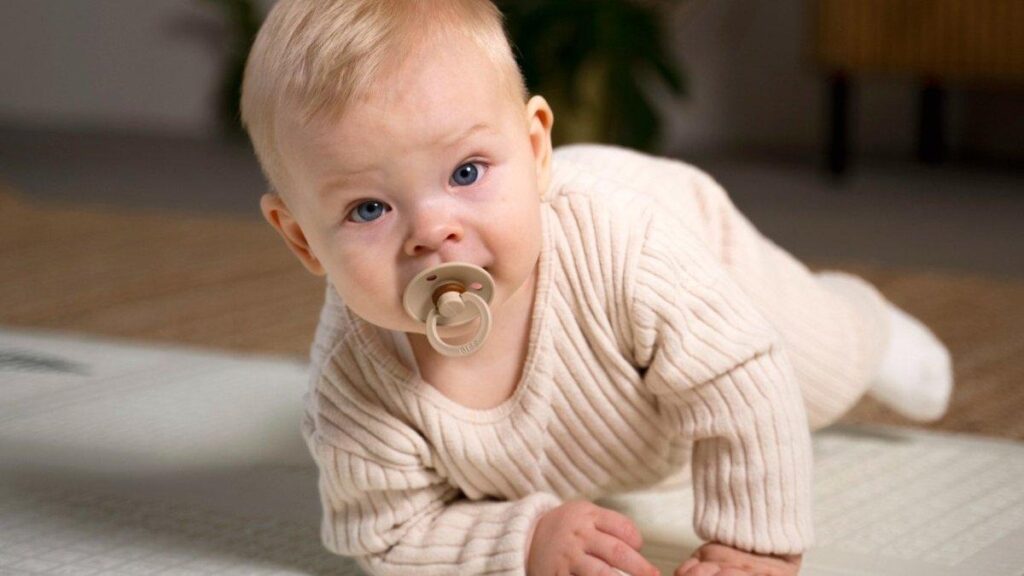
Now things get interesting.
- Babies push up on their arms
- Start rolling both ways
- Reach for toys intentionally
- Some begin rocking back and forth
That rocking motion? It’s basically a rehearsal for crawling. They’re figuring out balance and coordination.
6–9 Months: When Crawling Usually Starts
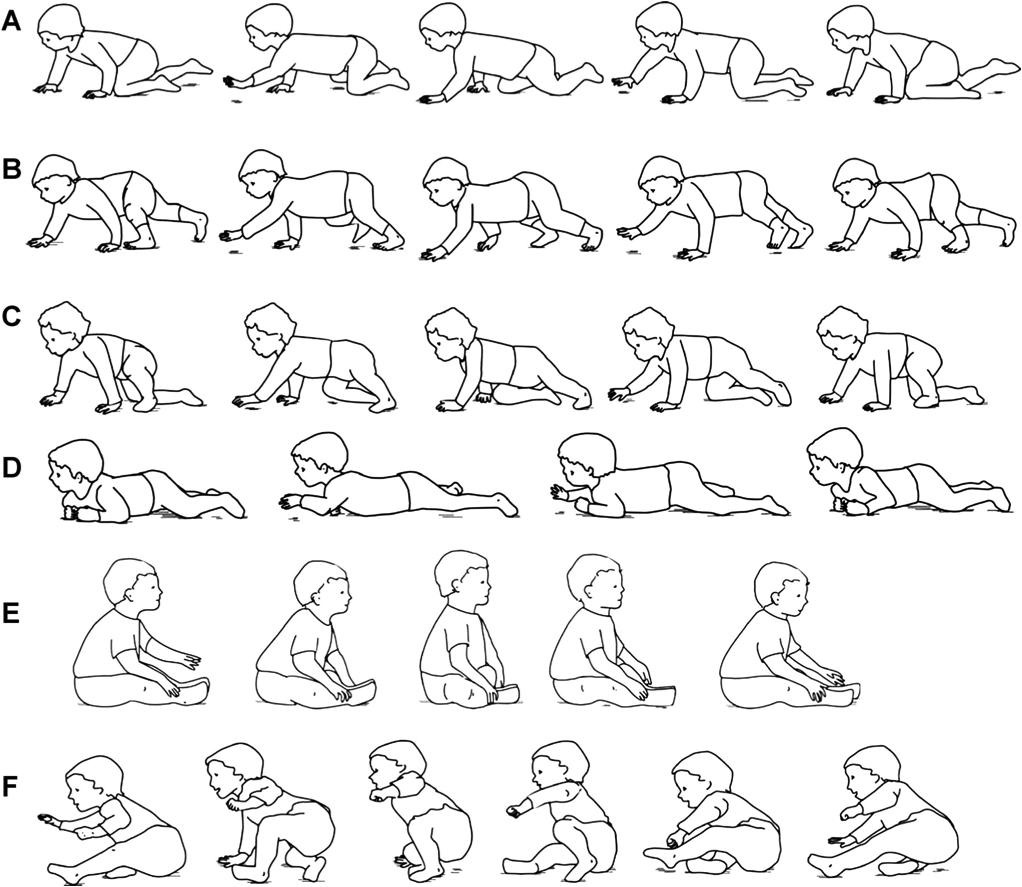
This is the window most parents are thinking about when they ask, when do babies start crawling.
- Many babies begin crawling between 7 and 10 months
- Some start with army crawling (dragging belly)
- Others move straight to hands-and-knees crawling
- Mobility becomes intentional, they’re going somewhere
According to guidance from the CDC developmental milestones, babies around this age also show stronger coordination between arms and legs.
9–12 Months: Speed, Confidence, and Exploration
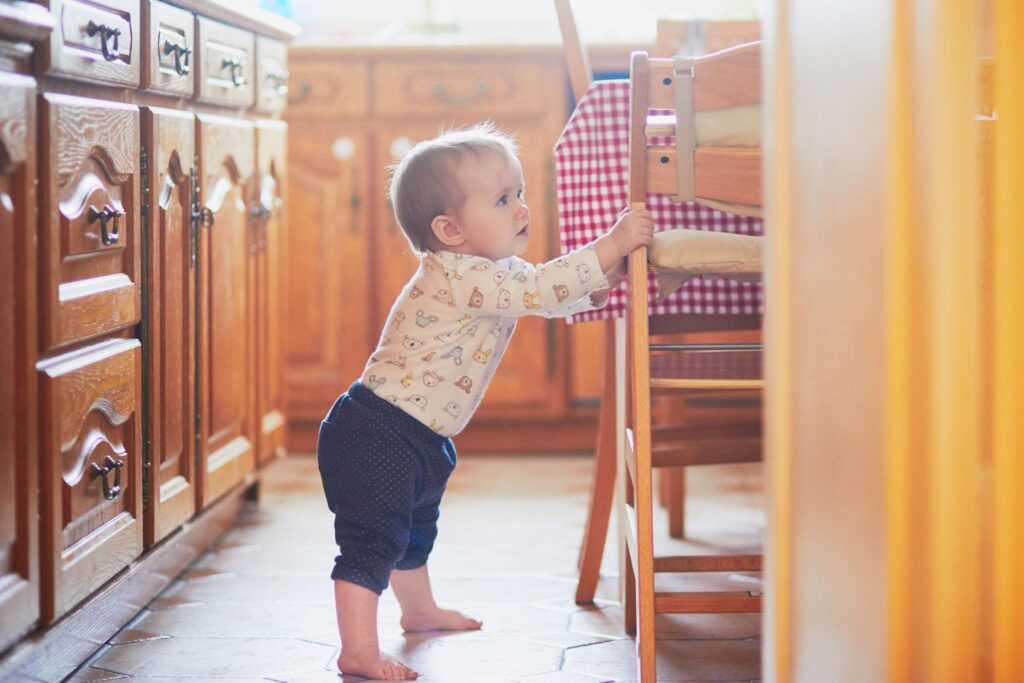
Once crawling clicks, it accelerates quickly.
- Babies crawl faster and with purpose
- Begin pulling up to stand
- Start “cruising” along furniture
- Explore everything within reach
At this stage, crawling becomes less about learning and more about independence.
What If Your Baby Doesn’t Crawl?
Here’s where many parents get uneasy. If your baby isn’t crawling by 9 months, is something wrong?
Not necessarily.
Some babies:
- Skip crawling entirely
- Prefer rolling or scooting
- Focus more on standing early
Research highlighted by NIH child motor development studies shows that variations in movement patterns are completely normal.
What matters more:
- Is your baby moving somehow?
- Are they showing curiosity and engagement?
- Are they gaining strength and coordination over time?
If those answers are yes, you’re likely on track.
Signs Your Baby Is Getting Ready to Crawl
You’ll usually see these clues before crawling starts:
- Rocking on hands and knees
- Pushing backward accidentally
- Reaching for objects just out of reach
- Stronger tummy time endurance
- Attempting to pivot or turn
Think of it as a “loading phase” before mobility unlocks.
How to Encourage Crawling (Without Pressure)
You don’t need fancy tools. Babies learn best through simple, consistent interaction.
Try this instead:
- More tummy time: Daily, supervised, and playful
- Place toys slightly out of reach: Motivation matters
- Get on the floor with them: Babies imitate movement
- Limit time in walkers or jumpers: They reduce floor practice
Encouragement works better than intervention. Crawling is something babies figure out, not something you “teach” directly.
Common Crawling Styles (Yes, They All Count)
Parents often expect the classic crawl, but babies are creative.
- Army crawl: Belly stays on the ground
- Bear crawl: Straight legs, lifted hips
- Scooting: Sliding on bottom
- Rolling: Surprisingly effective transportation
- Classic crawl: Hands and knees
All of these help develop muscles and coordination. There’s no “correct” version.
When to Talk to a Pediatrician
While variation is normal, there are a few cases where it’s worth checking in:
- No attempt to move by 9–10 months
- Very stiff or very floppy muscle tone
- Favoring one side of the body consistently
- Lack of interest in reaching or exploring
These don’t automatically signal a problem, but they’re worth discussing early.
Why Crawling Matters (Even If It’s Skipped)
Crawling supports:
- Brain development (cross-body coordination)
- Strength building (arms, shoulders, core)
- Spatial awareness
- Confidence in movement
But here’s the nuance: babies who skip crawling can still develop normally, as long as they gain these skills in other ways.
Frequently Asked Questions (FAQs)
When do babies start crawling on average?
Most babies start crawling between 7 and 10 months, though some begin earlier or later. A few skip it entirely.
Is it bad if my baby skips crawling?
Not usually. As long as your baby is moving, exploring, and developing strength, skipping crawling isn’t automatically a concern.
What’s the earliest a baby can crawl?
Some babies begin as early as 6 months, but that’s less common. Early movement still varies in style.
How can I tell if my baby is close to crawling?
Look for rocking, pushing up, reaching forward, and trying to move toward objects.
Should I use baby walkers to help crawling?
Most experts recommend limiting walkers. Floor time is far more effective for natural development.
Do all babies crawl the same way?
Not at all. Styles vary widely, army crawling, scooting, and rolling all count as movement milestones.
The Bottom Line
If you’re asking when do babies start crawling, you’re really asking something deeper: Is my baby developing the way they should?
The reassuring truth is this, development isn’t a straight line. It’s a series of small experiments, tiny victories, and sometimes unexpected detours.
Crawling is just one chapter.
What matters more is that your baby is:
- Curious
- Engaged
- Moving in their own way
And when they finally do take off across the floor, it won’t just be a milestone, it’ll be the beginning of a whole new level of chaos (the fun kind).
*This article is for informational purposes only and should not be taken as official legal advice*